Trade show booth staffing is more than putting available employees on a schedule. Visitors need to reach someone who can understand their question, explain the right part of the offer, and move the conversation forward. Freeman's 2025 commercial research found 93% of attendees consider booth staff who can answer all their questions very or extremely important, while only 78% rated exhibitors very or extremely effective at doing so (Freeman Commercial Trends Report, 2025).
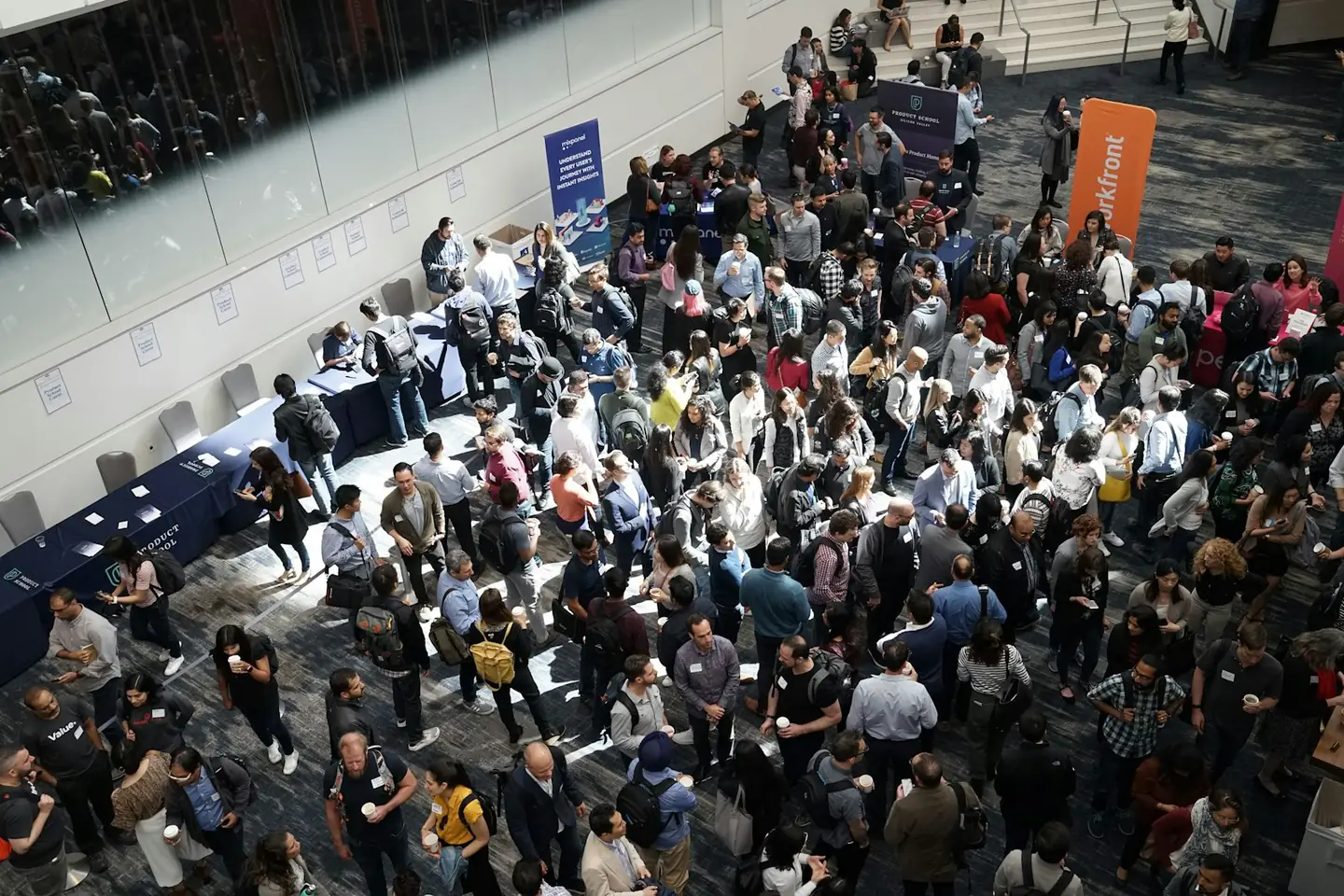
A practical staffing plan closes that gap by defining roles, preparation, coverage, handoffs, and ownership before the doors open. Build it alongside the trade show marketing strategy and the booth design brief, because the message, space, and people must support the same visitor journey.
Define roles before choosing names
Start with the work the booth must perform, not a headcount. A team may need to cover:
- Welcome: recognize priority visitors, open conversations, and direct people without blocking the aisle
- Qualification: understand the visitor's role, problem, current approach, timing, and useful next step
- Product and technical expertise: answer detailed questions accurately and identify when another specialist is needed
- Demonstration: run the approved demo, adjust it to the visitor, and use a fallback if equipment or connectivity fails
- Meeting hosting: receive scheduled contacts, find the right internal participant, and protect the meeting area
- Lead capture: record consent, context, commitments, and a valid owner rather than collecting scans alone
- Floor leadership: manage breaks, coverage gaps, escalations, supplies, and changes to the plan
One person can cover several roles in a small booth, but every role still needs a named primary and backup. Avoid a universal staffing ratio. Coverage depends on booth zones, traffic, meetings, demos, accessibility, organizer rules, and objectives.
Scale changes the plan. Scryon's public page maps 2,602 companies for CES 2027, held January 6–9 in Las Vegas. At an event with technology buyers, partners, investors, media, and product discovery happening at once, “everyone talks to everyone” is not an operating model. The team needs explicit routes for technical questions, press interest, scheduled meetings, and qualified commercial conversations.
Create one briefing pack for every representative
Give employees, contractors, executives, and external representatives the same current source of truth. The pack should include:
- The event objective and priority visitor profiles
- The approved opening message, proof points, and prohibited claims
- Product boundaries, common questions, and the escalation route for uncertain answers
- The demonstration sequence and a no-technology fallback
- Qualification questions and required lead fields
- Scheduled meetings, named-account priorities, and ownership rules
- Booth map, shift schedule, dress guidance, venue access, and emergency contacts
The material should help a representative say “I will bring in the right person” instead of guessing. Freeman found 91% of attendees consider access to relevant expertise very or extremely important, compared with 82% who rated exhibitors effective at providing it. The same report found 86% consider having the right staff available important, while 75% rated exhibitors effective (Freeman Commercial Trends Report, 2025).
Use qualification questions that improve the conversation
Qualification should feel like useful discovery. Representatives can adapt questions such as:
- What brought you to this event or booth today?
- How does your team handle this problem now?
- Which outcome matters most, and why now?
- Who else is involved in evaluating or using a solution?
- Would a demonstration, technical conversation, or later meeting be most useful?
Define what qualifies a visitor for each next step. A technical evaluator may need a product specialist. A buyer with a live project may need a scheduled sales meeting. A partner, customer, candidate, or journalist may require a different owner. Capture what the visitor actually said and label assumptions as assumptions.
For a live handoff, the first representative should briefly introduce the visitor, role, stated need, and agreed purpose of the next conversation. For a later handoff, record those details in the shared system. The visitor should not have to restart the conversation from zero.
Plan shift coverage around demand and recovery
Create a coverage grid by time, zone, and role. Overlay scheduled meetings, demonstrations, speaking sessions, expected breaks in the agenda, travel time, meals, and required rest. Then name backups for technical expertise, lead capture, and floor leadership.
Build overlap where demand is most likely, but keep the plan adjustable. A queue, popular demo, or delayed executive should trigger a clear reassignment. The day-of-event execution playbook can guide those live decisions.
Training deserves a real slot in the schedule. IAEE and CEIR report that 84% of exhibitors invest in booth staff training, and more than 81% evaluate attendee engagement efforts (Event Trends for the Next Year). Rehearse the opening, qualification, demo, handoff, lead entry, and escalation process with the actual tools. Include scenarios for an uncertain product question, a missed appointment, a demo failure, and a visitor who is relevant but not a buyer.
Assign follow-up ownership before the event
Every captured conversation needs an owner, a next action, and a due date appropriate to the commitment. Decide before the show how the team will handle scheduled-meeting notes, target accounts, support questions, media interest, partnerships, and unqualified scans. Confirm which system is authoritative and who resolves duplicate or disputed ownership.
At each daily reset, review whether roles and coverage worked, which questions remained unanswered, where handoffs failed, and which commitments need attention. After the event, use the CRM hygiene guide to preserve context and make follow-up measurable.
Scryon's free product supports conference discovery and ICP scoring, while paid credits support deeper event and company research. Separately scoped enterprise conference services can include representatives to staff the booth, connected with conference booking, commercial negotiation, PR and podcast preparation, booth design, target-account research, CRM workflows, and measurement. The exact service and representative responsibilities are agreed through the enterprise plan. Staffing cannot guarantee meetings, coverage, savings, or ROI.
Further reading
- Freeman Commercial Trends Report 2025 – attendee expectations, staff effectiveness, expertise, and commercial outcomes
- Event Trends for the Next Year – IAEE and CEIR findings on booth training and engagement measurement
- Who Should and Shouldn't Be Staffing Your Booth? – CEIR guidance on matching staff capabilities to visitor needs
Frequently asked questions
Cover welcoming, qualification, product or technical questions, demonstrations, scheduled meetings, lead capture, and floor leadership. One person may cover more than one role, but every responsibility still needs a named owner and backup.
Brief representatives on the target audience, approved message, proof points, product boundaries, qualification questions, demonstration flow, lead fields, meeting handoffs, escalation contacts, and follow-up ownership. Rehearse with the actual booth layout and lead-capture process.
Scryon can provide booth representatives as part of a separately scoped enterprise conference service. The scope can also connect event research, booking, marketing preparation, booth design, CRM workflows, and measurement.