To negotiate trade show booth prices well, focus on the complete commercial package rather than asking for a blanket discount. Floor space is only one part of the cost. Location, badges, furniture, utilities, marketing exposure, payment timing, and contract protections can change the real value of a booth.
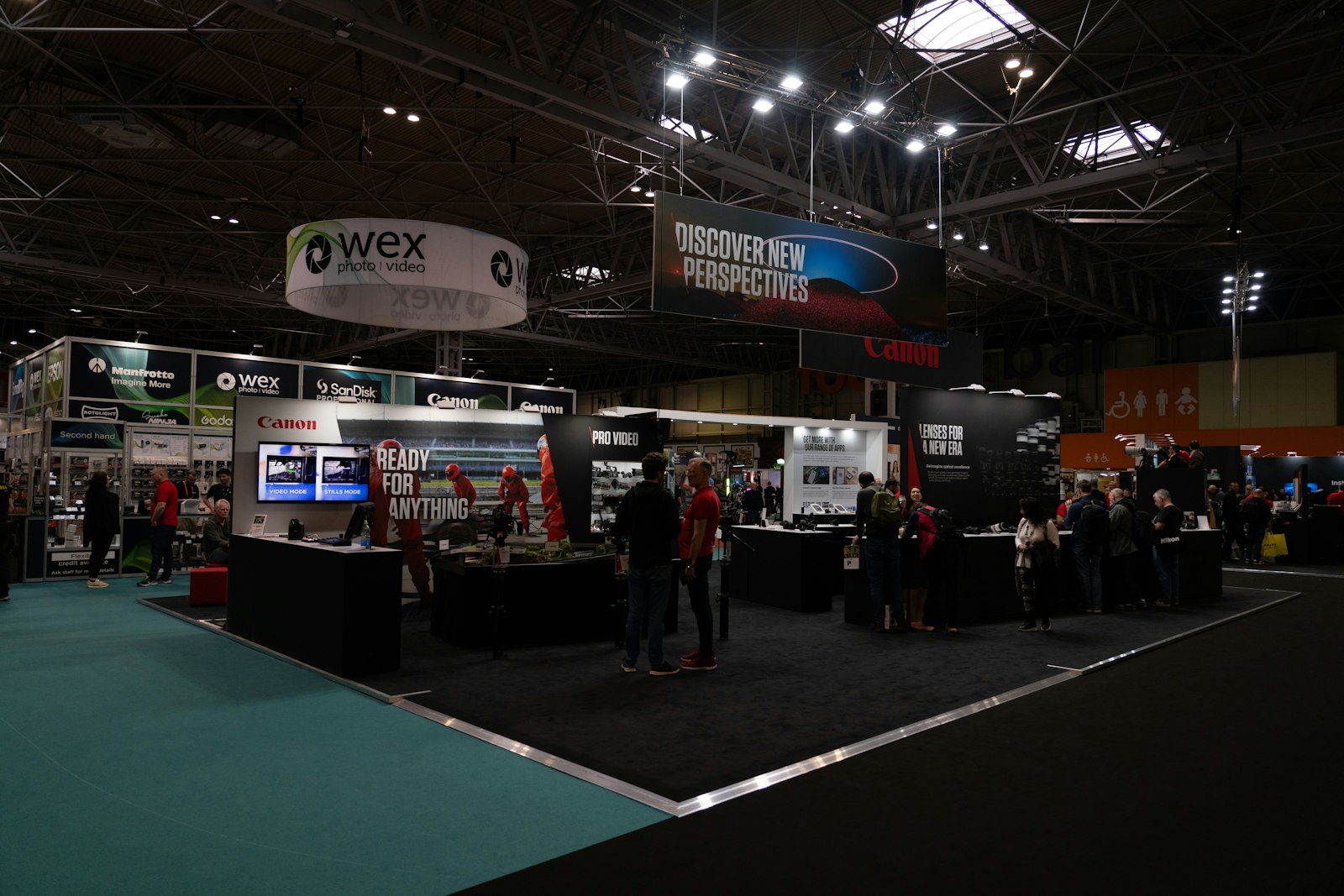
Published rates are useful anchors, not proof that every package is identical. NJEA's 2026 exhibit pricing, for example, lists an early rate, a later standard rate, and a separate corner charge. Its standard booth includes drape, a sign, badges, and directory listings, but excludes furniture, carpet, drayage, electricity, internet, and parking (NJEA Exhibits, 2026). The lesson is to negotiate and compare the all-in package, not just the number beside “10 x 10.”
1. Set the walk-away position first
Before contacting sales, write down:
- The target audience, accounts, and roles the event must reach
- The maximum fully loaded budget, including build, freight, labor, travel, utilities, staffing, and pre-event marketing
- The minimum acceptable footprint and number of staff passes
- Location requirements, such as proximity to a relevant content stage or separation from competitors
- The commercial objective and how success will be measured
- Two comparable participation options, including walking the floor, a smaller booth, or another conference
This prevents a lower space price from disguising a weak audience fit or expensive operational requirements. Use the conference booking checklist to confirm goals, owners, and deadlines before entering a negotiation.
2. Build a like-for-like price sheet
Ask the organizer for an itemized proposal. Put every option into the same worksheet:
| Category | Questions to ask |
|---|---|
| Space | What are the dimensions, open sides, sightline rules, and corner or premium-location charges? |
| Access | How many exhibitor passes, session passes, customer invitations, or setup credentials are included? |
| Operations | Are carpet, furniture, power, internet, cleaning, storage, security, material handling, and labor included? |
| Visibility | Is the company listed in the site and app? Are email, social, signage, speaking, or content placements included? |
| Data | What lead capture is provided, what does it cost, and what attendee data may legally be shared? |
| Terms | What are the deposit, payment, cancellation, relocation, and force-majeure provisions? |
Real prospectuses show why this matters. ICMA's 2026 exhibitor page separates the booth fee from carpeting, electrical, internet, furniture, and food and beverage ordered through its exhibitor kit. It also requires a 50% non-refundable deposit before a stated date and full payment after it (ICMA, 2026). A superficially cheaper booth can therefore produce a higher final invoice.
3. Negotiate the levers the organizer can move
Ask open questions before proposing a number: “Which packages have flexibility?” and “What can you add if the space rate is fixed?” Useful levers include:
- Timing: early-rate eligibility, a brief decision hold, deposit timing, or an installment schedule
- Location: a comparable booth at a lower premium, a corner upgrade, or priority if preferred inventory opens
- Inclusions: extra passes, lead retrieval, furniture, internet, storage, a directory upgrade, or customer invitations
- Package composition: exchange low-value branding for a deliverable tied to the event objective
- Commitment: a carefully scoped multi-event or renewal option, with pricing and deliverables documented for each event
- Risk terms: a defined remedy if the organizer relocates the booth or materially changes a promised deliverable
Do not assume a corner, front row, or larger footprint is inherently better. CITE's 2026 prospectus prices front-row booths separately, while ISMRM says location preferences depend on factors including contract timing, payment status, exhibiting history, booth size, corner requests, and membership status (CITE, 2026; ISMRM, 2026). Ask how space is assigned and what happens if your requested location is unavailable.
4. Use comparable options without bluffing
A credible alternative is stronger than an invented competing quote. Compare events by audience overlap, participation format, exhibit hours, meeting potential, included marketing, and all-in cost.
For a large medical-imaging exhibition such as RSNA Scientific Assembly and Annual Meeting 2026, the relevant comparison may be another specialist event or a smaller presence supported by scheduled meetings. It is rarely useful to compare only price per square foot across unrelated audiences.
Show the organizer your decision logic: “Option A costs more but includes four passes and lead capture; can you make this package comparable?” Keep the discussion factual and avoid claiming approval deadlines or competitor offers that do not exist.
5. Put every agreed term in writing
The signed order should identify the booth number or allocation process, footprint, open sides, inclusions, deliverable dates, fees, taxes, payment schedule, cancellation terms, and relocation remedy. Attach the floor plan and package description. If the salesperson promises a badge, upgrade, or placement, add it to the contract or an acknowledged amendment.
This is particularly important because organizers commonly reserve relocation rights. FABTECH's 2026 contract, for example, allows show management to reassign space and specifies how price differences and objections are handled (FABTECH, 2026). Read the full agreement and have legal or procurement review material commitments.
Scryon's free product supports conference discovery and ICP scoring, while paid research credits cover deeper event and company research. Separately scoped enterprise conference services can support event selection and booking, booth and sponsorship negotiations, pre-event PR and brand warmups, podcast outreach, booth design, and representative staffing. The service aims to secure better-fit commercial terms, but it does not guarantee savings, placements, coverage, meetings, or ROI. See the enterprise plan for the service model.
Further reading
- NJEA 2026 booth pricing – early and standard rates, inclusions, and exclusions
- ICMA 2026 exhibitor information – booth pricing, payment schedule, and operational ordering
- ISMRM 2026 exhibitor prospectus – booth formats and allocation considerations
- FABTECH 2026 exhibit contract – assignment, relocation, and contract terms
Photo by Jonny Gios on Unsplash.
Frequently asked questions
Sometimes. Published space rates may be fixed, but organizers may have flexibility around package composition, added visibility, passes, payment timing, location, or multi-event commitments. Availability and leverage vary by event.
Start before the preferred-location and early-rate deadlines, while the organizer still has inventory and your team can compare options. Late availability can create opportunities, but it also reduces location choice and preparation time.
Document the exact space, location, dimensions, included passes and services, payment schedule, taxes and fees, organizer relocation rights, cancellation terms, deliverables, deadlines, and every negotiated concession.