A trade show checklist is the operating document that keeps a show from becoming a scramble. It spans before, during, and after the floor – goals, logistics, outreach, staffing, capture, and follow-up – so nothing depends on memory the week travel starts.
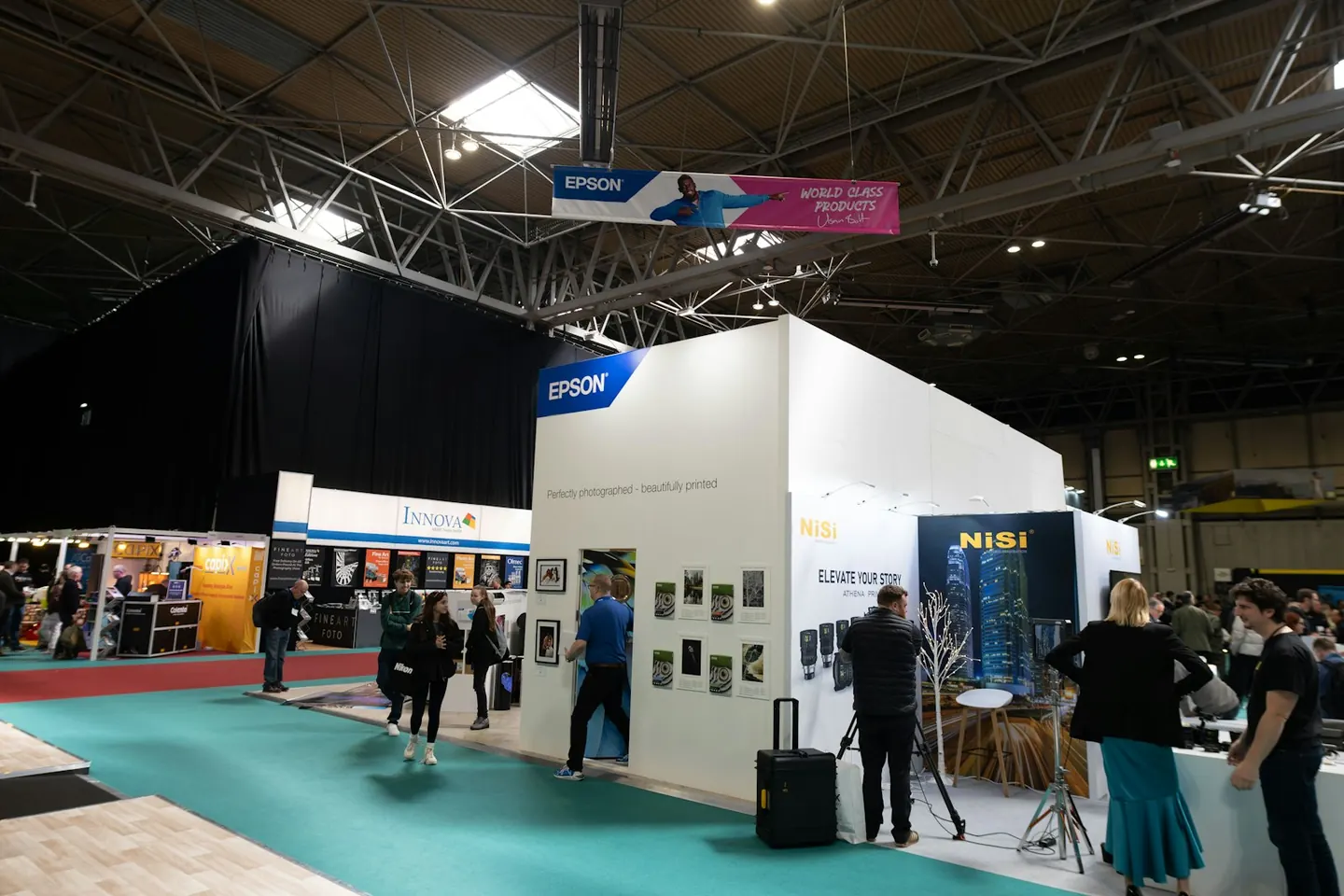
This is the full exhibitor and attendee ops list. Keep the pre-event prospecting checklist as the sales-outreach sibling: that post stays focused on list building and meeting booking; this one owns the end-to-end show runbook. vFairs (2026) frames the same idea: the difference between pipeline and burned budget is what happens in the weeks before the event and the 48 hours after it.
T-8 to T-6 weeks: strategy and foundations
Use this block as your trade show planning checklist – strategy first, then logistics.
- Set measurable goals (pre-booked meetings, ICP-fit conversations, pipeline target) – not "brand awareness"
- Lock budget with contingency for freight, labor, travel, and last-minute service fees
- Read the exhibitor or attendee manual; calendar every early-bird deadline
- Confirm booth space or walker plan; book travel and lodging
- Assign a single checklist owner with named task owners (not "marketing" as a department)
- Build or refresh the target account list for the event
- Choose lead capture method and CRM campaign tags before anyone lands
Trade show exhibitor checklist (ops extras)
If you are exhibiting, add these rows to the planning list above – this is the trade show exhibitor checklist layer on top of the shared ops runbook:
- Confirm booth size, location, and power / internet orders in the exhibitor portal
- Schedule freight or advance warehouse drop; note cutoff dates
- Book labor / I&D if required; confirm union rules for the venue
- Finalize booth graphics, giveaways, and lead-retrieval hardware
- Brief booth staff on ICP, talk track, and hot-account list
- Pack a show bag: chargers, badges, adapters, printed itineraries, business cards
T-6 to T-4 weeks: outreach and assets
- Start structured pre-show outreach to tier-1 and tier-2 accounts
- Draft booth talk track, qualifying questions, and demo flow
- Finalize graphics, giveaways, and collateral; order early enough for shipping
- Schedule freight / advance warehouse / electrical if exhibiting
- Align sales and marketing on meeting SLAs and rules of engagement
- Publish a draft rep event itinerary with must-meet accounts and session blocks
T-4 to T-1 weeks: confirm and rehearse
- Chase no-responses; overbook meetings to absorb no-shows
- Confirm every accepted meeting with location, time, and topic
- Brief booth or floor staff on ICP, hot accounts, and capture fields
- Test lead capture app offline; confirm CRM field mapping and campaign IDs
- Print backup lists and booth contacts (Wi-Fi fails; phones die)
- Pack a show bag: chargers, badges, adapters, printed itineraries, business cards
- Run a 15-minute rehearsal of capture → note → next-step handoff
Show days: execute the floor
- Arrive early; test scanners, demos, and Wi-Fi before doors
- Split roles (anchors at booth, floaters on floor) if you have the headcount
- Score every meaningful conversation hot / warm / cold at capture
- Log notes same day – pain, timeline, next step – not "met at booth"
- Hold a 10-minute end-of-day huddle: meetings held, hot leads, competitive intel
- Send same-day follow-ups to the hottest conversations when possible
- Protect calendar blocks for pre-booked meetings; do not abandon them for random traffic
T+0 to T+48 hours: convert the work
- Upload or sync every lead to CRM within 24 hours with event tags and owners
- Personalize follow-up for hot and warm leads within 48 hours – see trade show lead follow-up
- Route cold scans into nurture; do not burn AE time on badge-only contacts
- Reconcile meeting show rates and no-shows against the itinerary
- Schedule the internal debrief within one week while memory is fresh
- Start the 30/90-day pipeline review calendar so ROI is not a forgotten slide
How to use this checklist without drowning
Treat each show as a copy of the template: Phase, Task, Owner, Due date, Status. ExhibitionsVoice (2026) recommends keeping contingency rows instead of deleting them when the week looks busy – those are the rows that save show week.
If you only have bandwidth for one deep playbook beyond logistics, invest in prospecting and meetings. Logistics keep the lights on; named meetings are what pay for the trip – on a supply-chain floor like Manifest 2027 (February 8–10, Las Vegas) as much as on a horizontal tech week. Browse how Scryon supports sales teams when the checklist's list-building and itinerary rows need real attendee data.
Further reading
- The Trade Show Exhibitor Checklist: Before, During & After the Show – vFairs on the 12-week countdown and 48-hour sprint (2026)
- Trade Show Checklist Template 2026 – ExhibitionsVoice on Phase / Task / Owner tracking
- Trade Show Exhibitor Checklist for Event Success – Classic Exhibits on owning deadlines and early-bird service orders
Frequently asked questions
Cover goals and budget, booth or travel logistics, target-account and meeting prep, lead capture setup, day-of staffing and note capture, CRM sync within 24 hours, and personalized follow-up within 48 hours.
Start 6–8 weeks before the show for prospecting and outreach; push logistics and exhibitor-manual deadlines earlier when you have freight, labor, or sponsorship commitments. Work backward from doors, not forward from today.
A prospecting checklist focuses on list building, sequences, and booking meetings. This trade show checklist covers the full operational arc – logistics, staffing, floor execution, and post-show close-out – and links to prospecting as a sibling playbook.
Sync every lead to the CRM with context, assign owners, and send personalized follow-up to hot and warm conversations. Speed and specificity beat volume blasts.