Your first trade show can feel like showing up to a final exam you never studied for. Hundreds of booths, a badge scanner you've never used, and a vague sense that you're supposed to be "networking." These trade show tips for SDRs and first-time exhibitors separate a strong first show from a wasted one – and most of them are decisions made before you ever set foot on the floor.
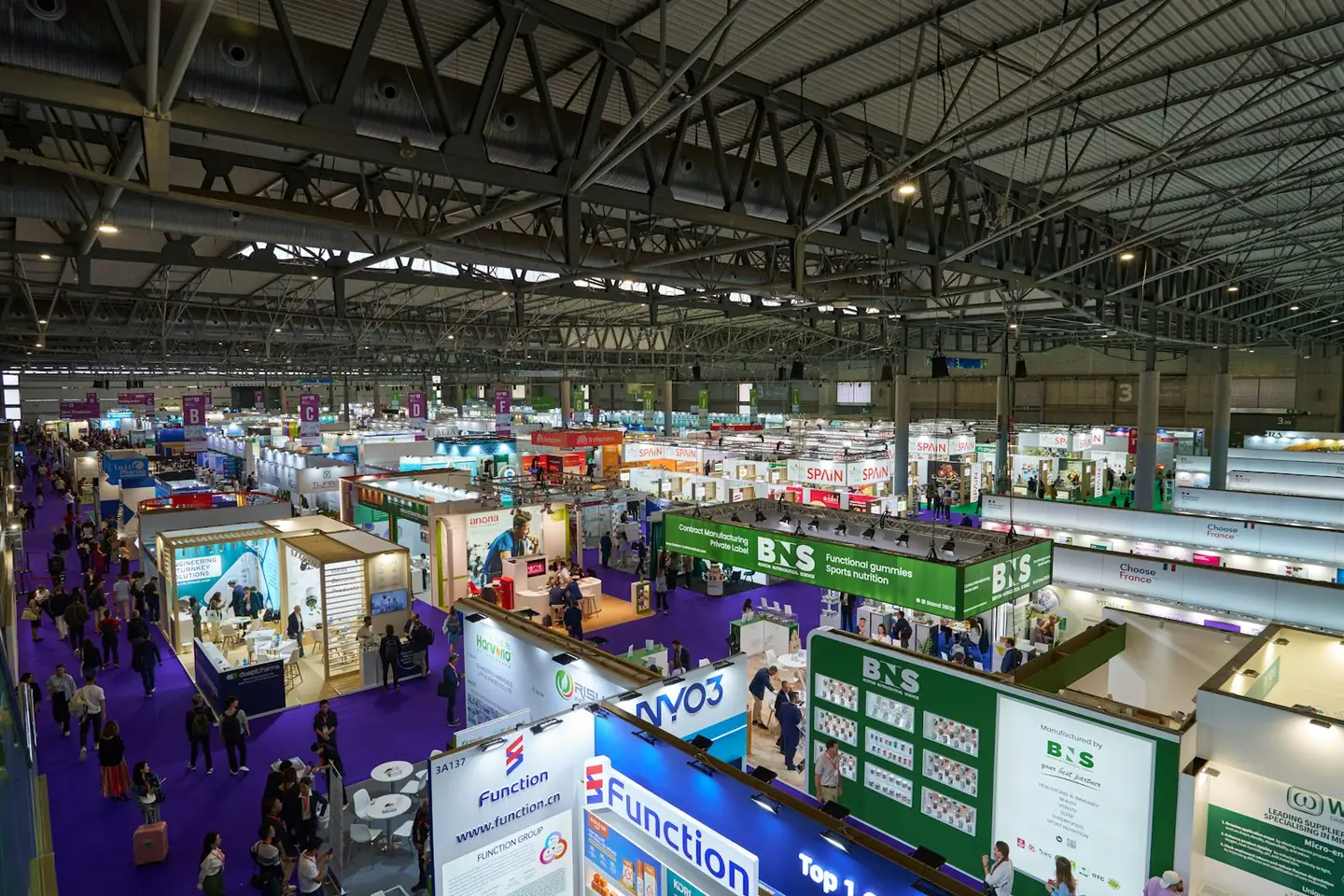
Treat it as a lead-generation program, not an event
The single biggest first-show mistake is showing up to "be there" instead of showing up with a plan. First-time exhibitor research recommends committing in writing to specific outcomes before you book the booth: a minimum qualified-lead count, a cost-per-qualified-lead ceiling, and a pipeline value target at 90 days, per the first-time exhibitor guide from PureXhibits. Without that baseline, you have no way to know whether "we talked to a lot of people" actually means anything.
That same research points to a simple filter for choosing which shows are worth your first shot: buyer density – the percentage of attendees who actually match your ideal customer profile – matters more than total attendance. A smaller show packed with your ICP will out-produce a massive one where you're mostly talking to vendors and students.
Do the pre-show outreach – it's the highest-ROI hour you'll spend
It's tempting to assume the work starts when the doors open. It doesn't. CEIR research cited by PureXhibits' 2026 trade show statistics roundup found that exhibitors who run pre-show marketing generate 46% more booth visits than those relying entirely on walk-up traffic – and 76% of attendees arrive with a pre-planned list of booths they intend to visit. If you're not on that list before the show starts, you're competing for the leftover 24%.
For a first show, pre-show outreach doesn't need to be elaborate: a short email to registered contacts you already know are attending, a note to target accounts letting them know where to find you, and a post on the event hashtag. It costs nothing beyond time and it's one of the few pre-show activities with a measured lift attached to it.
A few other things first-timers consistently get wrong on the floor itself, per exhibitor guidance from MNCPA's exhibitor tips and the Complete Guide to Trade Show Success for First-Time Exhibitors:
- Rent, don't buy, your first exhibit. You don't yet know what booth format actually works for your audience – a rented setup for your first one to three shows keeps you flexible.
- Start smaller than you think you need. A tight, well-staffed booth with an engaged team consistently outperforms a bigger footprint with a bored one.
- Get out from behind the table. Sitting behind a booth with your arms crossed (or worse, on your laptop) is the fastest way to look uninterested in the people walking past.
- Overpack supplies. First-timers routinely underestimate how many cards, one-pagers, and giveaways they'll need for a multi-day show.
- Wear shoes you can stand in for eight hours. It sounds trivial until you're on hour six of a concrete convention floor.
Follow up like the lead is still warm – because it is
Here's where most of the actual return gets won or lost. Research from Mailchimp and Exhibitor Magazine, summarized in the PureXhibits statistics report, found that post-show follow-up emails sent within 24 hours average a 48% open rate, while emails sent a week later average just 21% – less than half the engagement, for the exact same list of leads. The lesson is blunt: a lead you don't follow up with in a day or two is already cooling off, no matter how good the booth conversation was.
There's a structural reason to take this seriously beyond open rates. Exhibition-originated leads convert efficiently when you move fast – the Complete Guide to Trade Show Success for First-Time Exhibitors notes that 54% of show leads close within three sales calls or fewer, a notably shorter cycle than most non-exhibition leads. That efficiency only holds if follow-up happens while the prospect still remembers the conversation.
Build your follow-up plan before the show, not after: who owns which leads, what the first-touch message says, and what "hot," "warm," and "cold" mean at the point of capture. If you're using Scryon to prioritize which accounts to talk to on the floor, carry that same prioritization into follow-up – the accounts you scored highest before the show are the ones that deserve the fastest, most personalized outreach after it.
Your first trade show won't be perfect, and it doesn't need to be. What it needs is a plan going in, a team that's actually working the floor instead of guarding it, and a follow-up system that starts the moment the show closes – not the following Monday. Get those three things right and the booth size stops mattering nearly as much as everyone tells you it will.
Ready to walk into your first show with a target list instead of a hope? Try Scryon free to see how Scryon helps new exhibitors find the right accounts before the doors even open.
For the product side of this motion, see event directory. Related reading: event strategy for small teams.
Further reading
- First Time Trade Show Exhibitor Guide for New Exhibitors – goal-setting and show-selection framework for first-timers
- Trade Show Statistics 2026: Data Every Exhibitor Needs – pre-show marketing lift and follow-up timing benchmarks
- The Complete Guide to Trade Show Success for First-Time Exhibitors – exhibition lead conversion efficiency data and first-timer floor tips
- MNCPA trade show exhibitor tips – practical booth and floor guidance for first-timers