Conference prospecting is how B2B sales teams turn a named show into meetings and pipeline – not badge scans. You build an ICP-ranked list from who will actually be in the building, run outreach before travel, work a short onsite itinerary, and follow up inside 48 hours. Event prospecting is the same motion across a calendar of shows; trade show prospecting is the exhibitor-and-booth variant on a dense floor.
If you only walk the aisle, you are hoping. Conference prospecting is a list with owners, dates, and a meetings target.
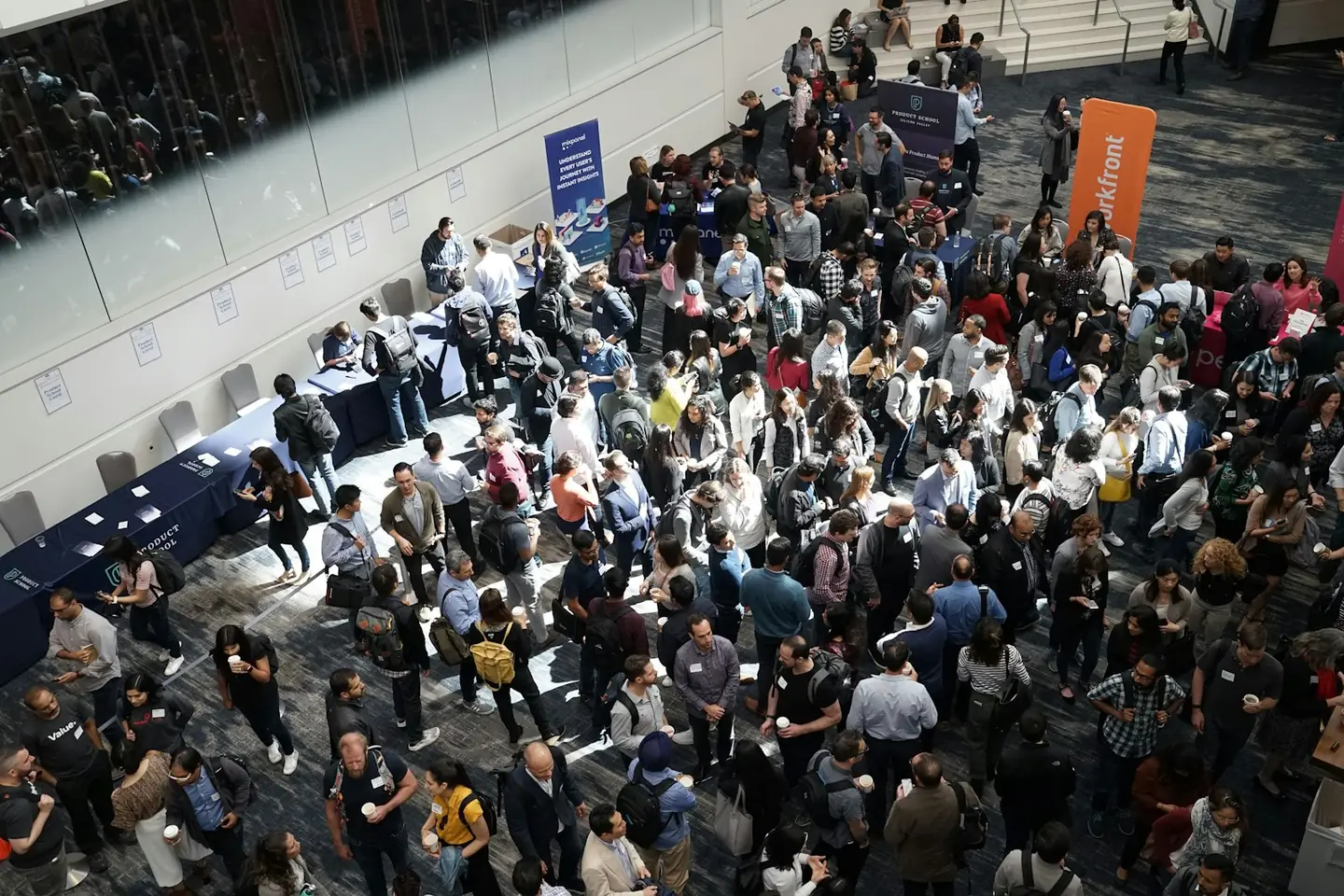
Vendelux reports pre-show booked meetings convert to pipeline at 40–60%, versus 15–25% for onsite qualified conversations and under 2% for badge-only scans. Conference Hero's 2026 conference lead-generation guide puts a working target at 15–25 pre-booked meetings per event for a team running a structured campaign. The gap is process, not charisma.
This pillar is the operating system. The week-by-week SDR sequence lives in the pre-event prospecting checklist. Booking copy and calendar math live in how to book meetings before a conference.
Conference prospecting vs event prospecting vs trade show prospecting
| Motion | Unit of work | Primary list | Typical fail |
|---|---|---|---|
| Conference prospecting | One named conference | Attendees, speakers, sponsors | Starting when the networking app opens |
| Event prospecting | A quarter's calendar | Accounts × upcoming shows | Treating every show as the same play |
| Trade show prospecting | Expo floor | Exhibitors, booth map, buyer density | Scanning every badge in the aisle |
Use conference prospecting when the show has a published audience and a hard date – for example Ai4 2026 (August 4–6, Las Vegas) for CAIO/CIO density, or MWC Barcelona 2026 (March 2–5) when connectivity buyers cluster. Use trade show prospecting when the commercial work is the hall, not the keynote. Most field weeks are both.
1. Build the ICP list
Start 6–8 weeks out. Predicted attendees, prior-year exhibitors, speaker lists, and sponsor directories beat the official networking app, which usually opens too late for senior calendars (Vendelux on reaching attendees before the event).
Tier the list:
- Open pipeline attending – AE-owned meeting ask
- Named accounts with no live opp – SDR sequence
- ICP-fit net-new – lighter sequence or onsite only
Enrich email and LinkedIn for tiers 1–2. A list without contact data is a research project, not conference prospecting. Scryon for sales is built to score that overlap against your CRM before you book travel.
2. Pre-show outreach
Run a four-touch sequence in the 4–6 week window. GTMStack's pre-event outreach playbook is the template: introduce with the event as context, add a specific reason to meet, ask with two or three slots, then a last call 5–7 days out.
Generic “I'll be at the booth” mail underperforms. Reference a session, a product motion, or an open deal. Overbook: booth no-show rates of 40–60% are normal on Vendelux funnel data – if you need 15 meetings held, book more than 15.
3. Onsite execution
The floor is for protecting the calendar you already built, plus a short list of booths you still need. Bring:
- Confirmed meetings with locations and a one-line agenda
- A ranked walk list (accounts, not “see who looks interesting”)
- A capture rule: note, owner, next step before you leave the conversation
Radar and booth maps help on shows that have them; they do not replace the list. If you did not do pre-show work, onsite conference prospecting collapses into hoping – which is how teams leave with scans and no pipeline.
4. Follow-up and the Scryon workflow
Follow up inside 24–48 hours. Same-week replies beat a “we'll circle back next month” sequence. Tag the campaign in CRM on the day of contact – CRM hygiene after events is cheaper than reconstructing the week from badges.
A compact Scryon loop for conference prospecting:
- Pick the show in the event directory and score ICP density on the platform
- Pull the ranked attendee/exhibitor list into the CRM
- Run the checklist sequence; log meetings to the event campaign
- After the show, push notes and next steps back so attribution survives the flight home
Frequently asked questions
What is conference prospecting? Finding and booking ICP-fit buyers around one named show – list first, meetings second, floor third.
Event prospecting vs conference prospecting? Event prospecting is the calendar-level system. Conference prospecting is one show inside that system.
What is trade show prospecting? Exhibitor lists, booth maps, and buyer density on a floor. Pair it with conference prospecting when the same trip has both a hall and a program.
When do I start? List at 6–8 weeks; outreach at 4–6 weeks. Detail in the pre-event prospecting checklist.
Further reading
- How to Reach Conference Attendees Before the Event – why predicted lists beat the networking app
- Conference Lead Generation in 2026 – 15–25 pre-booked meetings as a working target
- Pre-Event Outreach Playbook – four-touch sequence and account tiers
Frequently asked questions
Conference prospecting is finding and booking ICP-fit buyers around a specific show – using attendee and exhibitor lists before the event, then converting those conversations onsite and in follow-up. It is not walking the aisle hoping the right badge appears.
Event prospecting is the broader motion across conferences, trade shows, hosted dinners, and field days. Conference prospecting is the same system applied to one named conference with a finite attendee list and a hard date.
Trade show prospecting uses exhibitor lists, booth maps, and buyer density on a show floor. Conference prospecting often leans more on sessions, speakers, and attendee lists. Most B2B teams run both on the same trip.
Six to eight weeks out for the list; four to six weeks out for outreach. Later than two weeks, senior calendars are largely locked. See the pre-event prospecting checklist for the week-by-week sequence.