The most revealing budget benchmark is almost a tie. Norwest's 2025 B2B survey found paid digital media received 39% of marketing program spend, while events and sponsorships received 38% (Norwest, 2025). The practical question in trade shows vs. digital ads is therefore not which channel wins. It is which commercial job each channel should do.
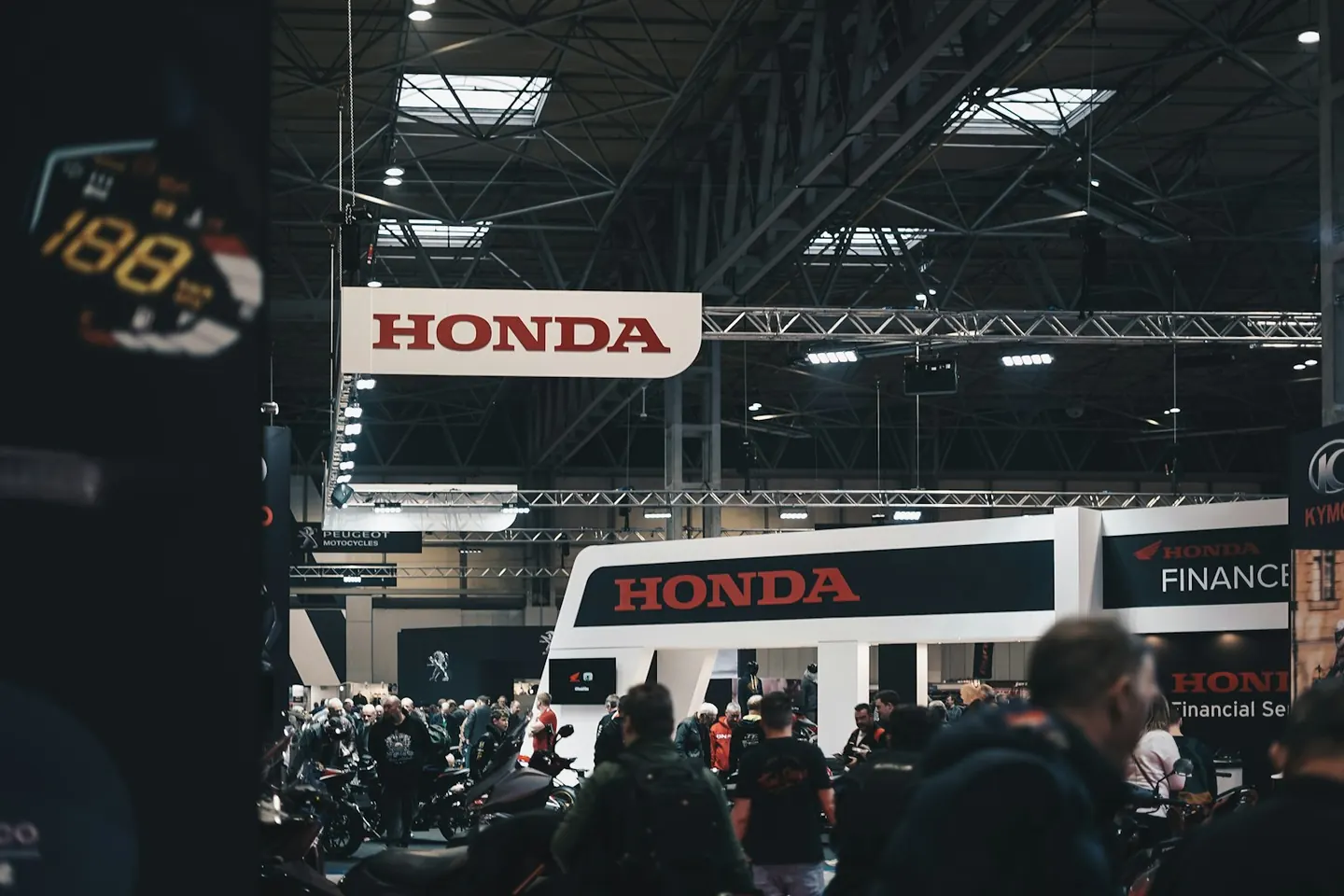
Digital ads buy repeatable reach and rapid feedback. Trade shows buy concentrated access, physical demonstration, and live conversations. A useful allocation compares qualified pipeline, intent quality, and payback using the same rules.
Compare the channels on the same scorecard
Do not compare an ad platform's cost per click with an event's badge scans. Neither is a business outcome. Use one scorecard across both channels:
| Measure | Trade shows | Digital ads |
|---|---|---|
| Fully loaded cost | Space, sponsorship, build, travel, staff time, outreach, and follow-up | Media, creative, agency, landing pages, data, and campaign labor |
| Reach denominator | Relevant accounts and roles present | Relevant accounts and roles reached |
| Quality event | Qualified meeting held | Qualified conversion or meeting held |
| Commercial result | Opportunity created or advanced | Opportunity created or advanced |
| Efficiency | Cost per qualified opportunity | Cost per qualified opportunity |
| Return | Gross profit and pipeline over the agreed attribution window | Gross profit and pipeline over the same window |
Apply the same ICP definition, opportunity stage, and 90- or 180-day window. Then compare win rate, average contract value, sales-cycle movement, and payback. The trade show ROI framework explains how to include the costs that disappear when teams report only the booth invoice.
Choose trade shows for concentrated, high-value intent
Trade shows become compelling when buyers, partners, products, and expertise gather in one place. CEIR's 2026 research found B2B exhibiting represented 40.8% of exhibitor marketing budgets, the largest channel in its study. It also found three-quarters of exhibitors invested in digital channels alongside exhibitions (Trade Show Executive on CEIR, 2026). That second figure matters: experienced exhibitors are building an integrated motion, not choosing an offline island.
Favor a trade show when:
- Your target accounts cluster in a specialist market
- The product benefits from a live demonstration or technical conversation
- Multiple members of the buying committee will attend
- Contract value can support travel and execution costs
- Sales can pre-book meetings and follow up consistently
Scryon's public data illustrates the size of a real opportunity set. The Ecomondo 2026 conference page maps 1,771 companies around the November 3–6 environmental-technology show in Rimini. That number is not a pipeline forecast. It is a research universe to filter by territory, fit, role, and active opportunity before committing budget.
Choose digital ads for continuity and controlled testing
Digital ads are stronger when the audience is geographically dispersed, the campaign needs to run every week, or the team must test messages quickly. Ads can build awareness before buyers enter a formal evaluation and retarget known accounts after an event conversation.
The risk is optimizing for the metrics a platform can count most easily. In LinkedIn's 2026 summary of partner research, ICP accounts exposed to LinkedIn ads showed 46% higher paid-search conversions, 43% higher meeting-to-deal conversion, and 112% higher content conversions (LinkedIn, 2026). Those are cross-channel associations from the cited benchmark, not a guaranteed result for a new campaign. They support measuring account and pipeline effects beyond last-click conversions.
Favor digital ads when:
- The addressable audience is broad enough for reliable delivery
- Creative and offers need rapid iteration
- Search or social intent can be captured continuously
- The next step works without an in-person demonstration
- Conversion tracking connects campaigns to CRM opportunities
Use the channels as one sequence
A strong B2B plan often runs ads and events in order:
- Before the show: target relevant accounts with the event's problem and proof, then route interested buyers into meeting outreach.
- During the show: use ads to reinforce the same message for attendees and the larger audience not on site.
- After the show: retarget engaged accounts with session content, product evidence, and a clear sales handoff.
Keep a holdout or baseline where possible. Report the event-only cohort, ad-only cohort, and combined cohort. This reveals whether ads improve meeting show rates or post-event progression without assigning every later conversion to the last click.
Set the next budget with marginal returns
Start with the current channel mix, not a fashionable percentage. Calculate the cost and qualified pipeline from the next dollar, not only the blended historical average. An additional event may have poor marginal return if the team cannot prepare it properly. An additional ad campaign may saturate a narrow audience.
Use three decisions: scale, repair, or stop. Scale a channel when qualified opportunity cost and payback beat your approved threshold. Repair it when audience fit is sound but execution is weak. Stop it when fit and downstream economics repeatedly fail. The annual event budget guide helps model fully loaded event tiers alongside other demand investments.
Scryon's free platform supports conference discovery and ICP scoring, while paid credits fund deeper event and company research. Separately scoped enterprise conference services can support selection, booking, commercial discussions, marketing warmups, booth preparation, staffing, CRM integration, and measurement. These services do not guarantee savings, coverage, meetings, pipeline, or ROI.
Further reading
- Norwest 2025 B2B Sales & Marketing Benchmark – program-spend allocation and funnel benchmarks
- CEIR 2026 Marketing Spend Decision coverage – exhibition allocation and integrated-channel findings
- LinkedIn on cross-channel ad effects – account-level conversion and pipeline research
Frequently asked questions
Neither channel is universally better. Trade shows suit concentrated markets, complex products, and high-value conversations. Digital ads offer continuous reach, faster testing, and efficient retargeting. Compare them using cost per qualified opportunity and pipeline, not raw leads.
Use fully loaded costs and the same qualification and attribution window. Include booth, travel, labor, preparation, and follow-up for events, then compare cost per qualified opportunity, win rate, deal size, and payback with digital campaigns.
Often, yes. Account-targeted ads can warm the audience before a show, reinforce event messaging during it, and continue follow-up afterward. Measure the combined sequence as well as each channel separately.