A solo founder cannot cover the keynote, three meeting zones, an expo hall, and two side events at once. That constraint can be useful. It forces every hour to earn its place and turns the conference from an open-ended networking trip into a small set of deliberate conversations.
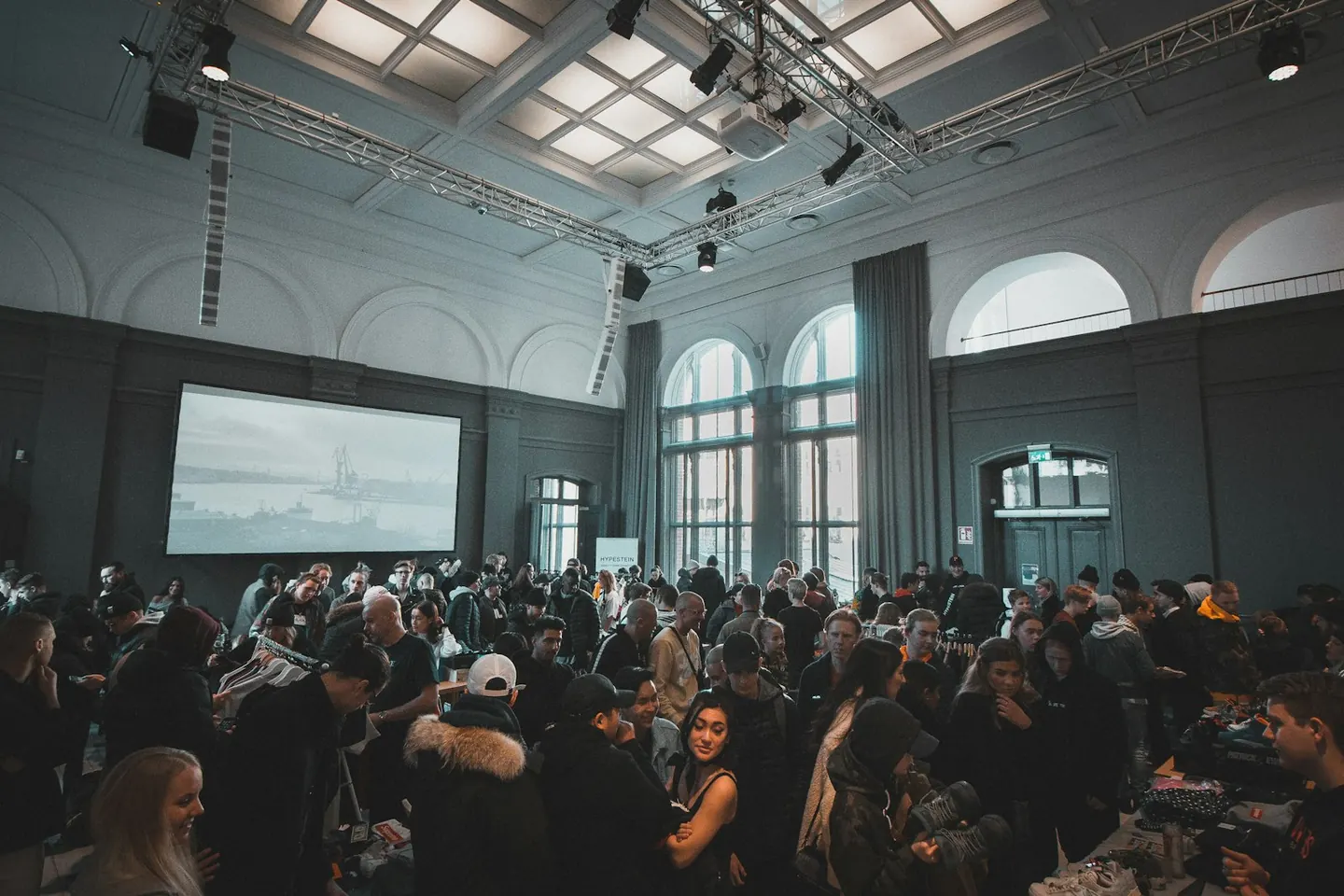
The need for that discipline is growing. Web Summit Rio reported 40,287 attendees, 1,572 startups, and 688 investors at its 2026 event, while the number of solo entrepreneurs in its startup program had more than doubled year over year (Web Summit Rio, 2026). A one-person company belongs in the room, but it cannot approach the room like a ten-person team.
Choose one job for the conference
Pick one primary outcome before buying the pass: customer discovery, qualified sales meetings, investor relationships, partnerships, or learning. Add one secondary outcome only if it uses the same people and places.
For example, customer discovery and sales can share a target list. Investor meetings and a broad product-education agenda usually cannot. The startup founder event playbook gives the wider decision framework; the solo version needs a stricter test: would this activity still matter if it were the only thing accomplished that day?
Write a small scorecard:
- Five must-meet organizations
- Ten useful secondary contacts
- Three questions to answer
- One proof asset to show
- One next step to request
This protects the calendar from opportunistic meetings that sound exciting but do not advance the current business. IDC's 2026 Sponsor Survey found 52% of senior marketers named complex execution as a top event challenge, while 42% cited delivering personalized experiences (IDC, 2025). A solo founder solves both problems by reducing scope and preparing each important conversation.
Plan for real one-person capacity
Assume a 20-minute meeting consumes 40 minutes after walking, waiting, writing notes, and handling the inevitable schedule change. Four to six meaningful meetings in a day can already be a full workload.
Build the itinerary in blocks:
- Anchor meetings: pre-booked conversations with the highest-priority accounts
- Floor route: one cluster of target booths between anchors
- Learning block: one session that answers a specific business question
- Open buffer: at least 30 minutes for overruns, introductions, and recovery
- Note block: 15 minutes before leaving the venue to confirm follow-up
Avoid crossing the venue repeatedly. Group meetings by hall, hotel, or side-event neighborhood. Photograph the map, mark exact entrances, and put meeting locations in calendar notes. The pre-event meeting guide explains how to secure those anchors four to six weeks ahead.
Large founder events make prioritization especially important. Slush says its 2026 event will host 5,800 startups, 3,300 investors, and 2,100 partners and ecosystem builders, plus hundreds of side events around Helsinki (Slush 2026 FAQ). Those numbers create options, not capacity. Choose side events because the guest profile matches the objective, not because another founder forwarded an invitation.
Decide what you will deliberately miss
A solo founder needs explicit skip rules. Watch a session recording later unless the room creates unique access to a speaker or audience. Decline unresearched coffee chats. Leave a weak conversation politely after exchanging the one useful fact or introduction.
Use a simple priority order when plans collide:
- A confirmed meeting with a must-meet account
- A warm introduction with a credible reason to continue
- A small curated gathering with a relevant guest list
- A session tied to an immediate company decision
- General expo browsing
Scryon's public preview for Rio Web Summit 2026 maps 1,532 companies across a broad founder, investor, enterprise, and technology audience. A solo founder should not research all 1,532. Free conference discovery and ICP scoring help rank the field; paid research credits add deeper company intelligence for the small set worth pursuing.
Use lightweight systems during the show
Carry one short demo, one customer or problem proof point, and one follow-up link. Keep notes in the CRM or a structured form with five fields: person, company, problem, fit, next step. Voice notes are fast, but convert them into owned actions before the day ends. The event sales workflow can connect target-account preparation with outreach and follow-up.
If you exhibit alone, do not design a plan that requires simultaneously running demos, qualifying walk-ups, taking scheduled meetings, and leaving the booth. Reduce the footprint, limit demo windows, or arrange coverage. Separately scoped enterprise conference services can support conference booking, meeting preparation, booth or sponsorship negotiation, booth design, and representative staffing. Scope and pricing are custom through the enterprise plan, and services do not guarantee savings, meetings, coverage, podcast placements, or ROI.
Finish follow-up before returning to normal work
Prepare two follow-up templates before travel: one for a clear next meeting and one for a useful but early relationship. Personalize the first two lines, include the promised material, and propose the next action. Send priority follow-up within 24 hours, then process the rest within 48 hours.
At the end of the week, review only what the founder can act on: meetings held, qualified next steps, introductions requested, opportunities created or advanced, and unanswered business questions. The first 100 customers at events guide gives the stage-based acquisition loop when customers are the main goal.
A solo founder wins a big conference through selection, not coverage. One objective, five priority organizations, a walkable route, and fast follow-up can produce more value than trying to be present everywhere.
Further reading
- Web Summit Rio 2026 event report – attendee, startup, investor, meetup, and solo-founder participation figures
- Slush 2026 FAQ – current audience composition, dates, venue, side events, and founder programming
- IDC 2026 event strategy survey – execution and personalization challenges from 150 senior marketers