A rep event itinerary should make the next useful action obvious throughout the day. It needs meeting commitments, account context, travel time, and a way to record what happened. A calendar filled with back-to-back appointments can look productive while leaving no time to move, prepare, or follow up.
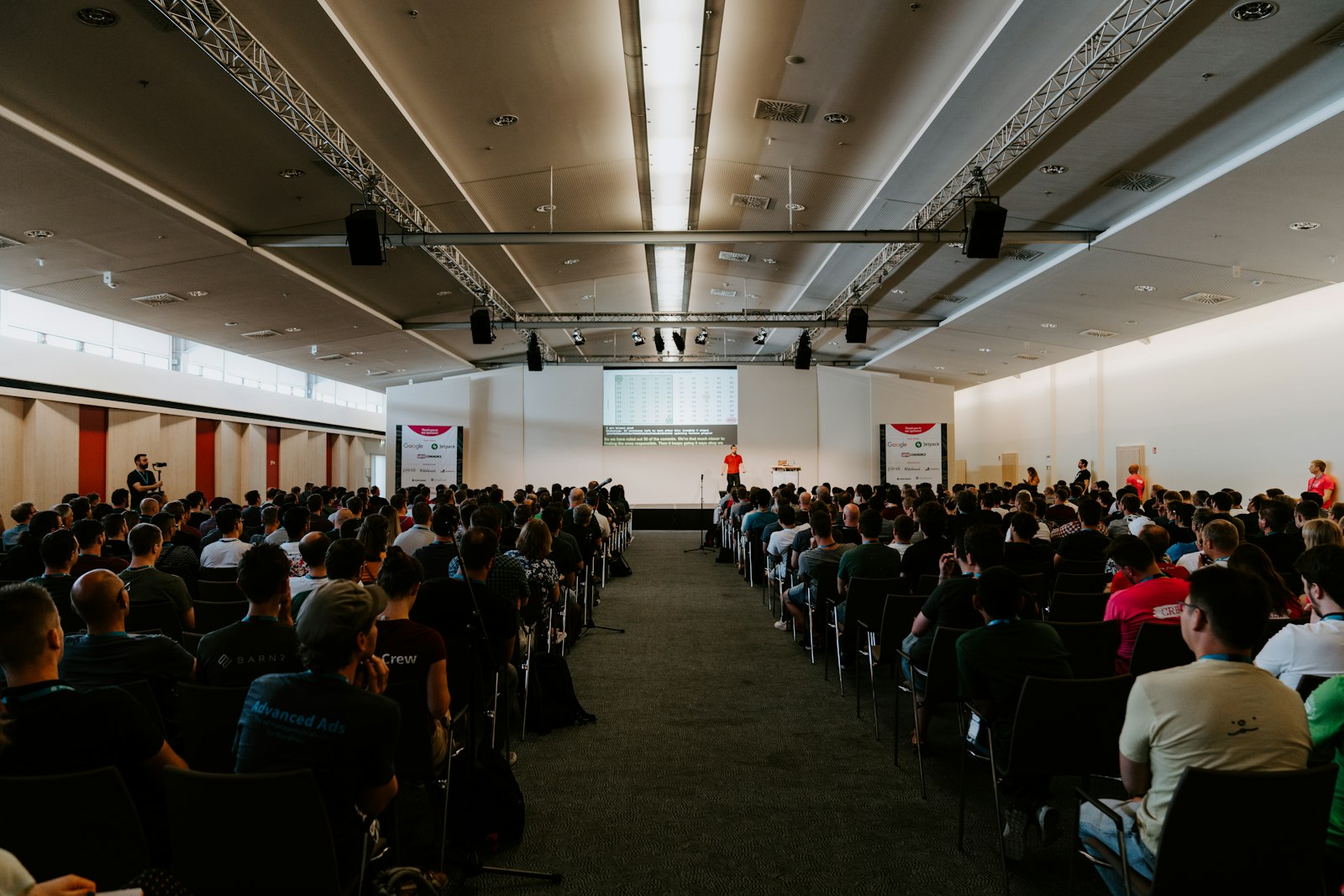
Use this template after selecting the event and prioritizing accounts. It is a sample operating plan, not an official conference schedule or a promise about the number of meetings a rep should achieve.
Start with fixed commitments
Add arrival, registration, confirmed meetings, required sessions, and departure first. Record the event's local time zone and verify each location against the latest organizer information. A venue name alone is insufficient when a meeting takes place in a particular room or nearby hotel.
For Groceryshop 2026, September 22–24 in Las Vegas, the organizer's Meetup program confirms meetings through mutual opt-in and scheduling. Use those confirmed slots as fixed inputs. A meeting request that has not been accepted belongs on a follow-up list, not in the itinerary as a commitment.
Leave the remaining time flexible until you know the walking distances, access rules, and realistic preparation time. Check whether your pass covers the sessions or meeting areas you plan to use.
Copy this daily itinerary
Replace every sample time and location before using the plan. The durations below illustrate a workable structure; adapt them to the actual event and rep.
| Local time | Block | Goal and preparation | Record afterward |
|---|---|---|---|
| 08:00–08:30 | Arrival and badge pickup | Verify today's rooms and messages | Changes to the plan |
| 08:30–08:45 | Account review | Read the first brief and desired outcome | Missing information |
| 08:45–09:15 | Confirmed meeting A | Discuss one buyer problem | Agreed next step and owner |
| 09:15–09:35 | Notes and transit | Save details while fresh | Follow-up deadline |
| 09:35–10:05 | Confirmed meeting B | Verify fit and buying process | Stakeholders to involve |
| 10:05–10:45 | Nearby account visits | Work a short, verified reserve list | Contact and attendance evidence |
| 10:45–11:15 | Buffer | Absorb delays or prepare the next meeting | Schedule changes |
| Midday | Break and team check-in | Eat, recharge, coordinate ownership | Cancellations and new priorities |
| Afternoon | Confirmed meetings and research | Repeat meeting, notes, and transit blocks | Commitments and qualification |
| Before departure | CRM and next-day review | Assign every promised action | Owners and due dates |
Avoid turning the reserve list into another set of fixed appointments. Its purpose is to give the rep a useful option when time opens up.
Attach one short brief per priority account
Each brief should include the account, contact, verified role, meeting status, location, business context, and objective. Add two discovery questions and the next step you hope to earn. Keep assumptions visibly separate from verified information.
Define success in terms of a useful outcome. That might be learning how the buyer evaluates vendors, identifying another stakeholder, or agreeing to a technical follow-up. A meeting can be valuable even when it reveals that the account is not a fit.
Use Scryon's platform for account and event research, then verify operational details with the contact and organizer. Research context does not automatically confirm a room number, badge entitlement, or someone's live location.
Give schedule changes a simple rule
If a meeting moves, protect confirmed commitments first. Choose a reserve account in the same area rather than crossing the venue for an uncertain conversation. If a discussion runs over, agree whether to continue or book a follow-up instead of silently missing the next appointment.
For another event format, Tech Show 2026, November 4–5 in Madrid, spans several technology disciplines. Group visits around the relevant audience and verified locations. Do not assume similarly named tracks sit next to one another.
Keep one shared version of the plan, with a named editor or clear ownership. Save an accessible copy before arriving so poor connectivity does not remove the day's basic instructions.
Close every day with the next action
Before leaving, review held meetings, no-shows, new contacts, and promises. Assign the follow-up while the conversation is fresh. Capture enough detail that the owner can write a specific message without asking the rep to reconstruct it days later.
Use the pre-event prospecting checklist for the preparation timeline and the post-event CRM hygiene guide for clean handoffs. Try Scryon free to build the account context behind a day your rep can actually execute.