The biggest pipeline moments at most conferences don't happen on the show floor. They happen at the dinner the night before, in the hotel bar after the keynote, or at the private breakfast run by someone you barely knew was hosting one.
Side events — dinners, roundtables, cocktail hours, and partner meetups hosted alongside a major conference — are consistently the highest-per-dollar pipeline format for B2B teams. The reason is structural: you get ICP density from the main conference without paying the main conference's sponsorship premium.
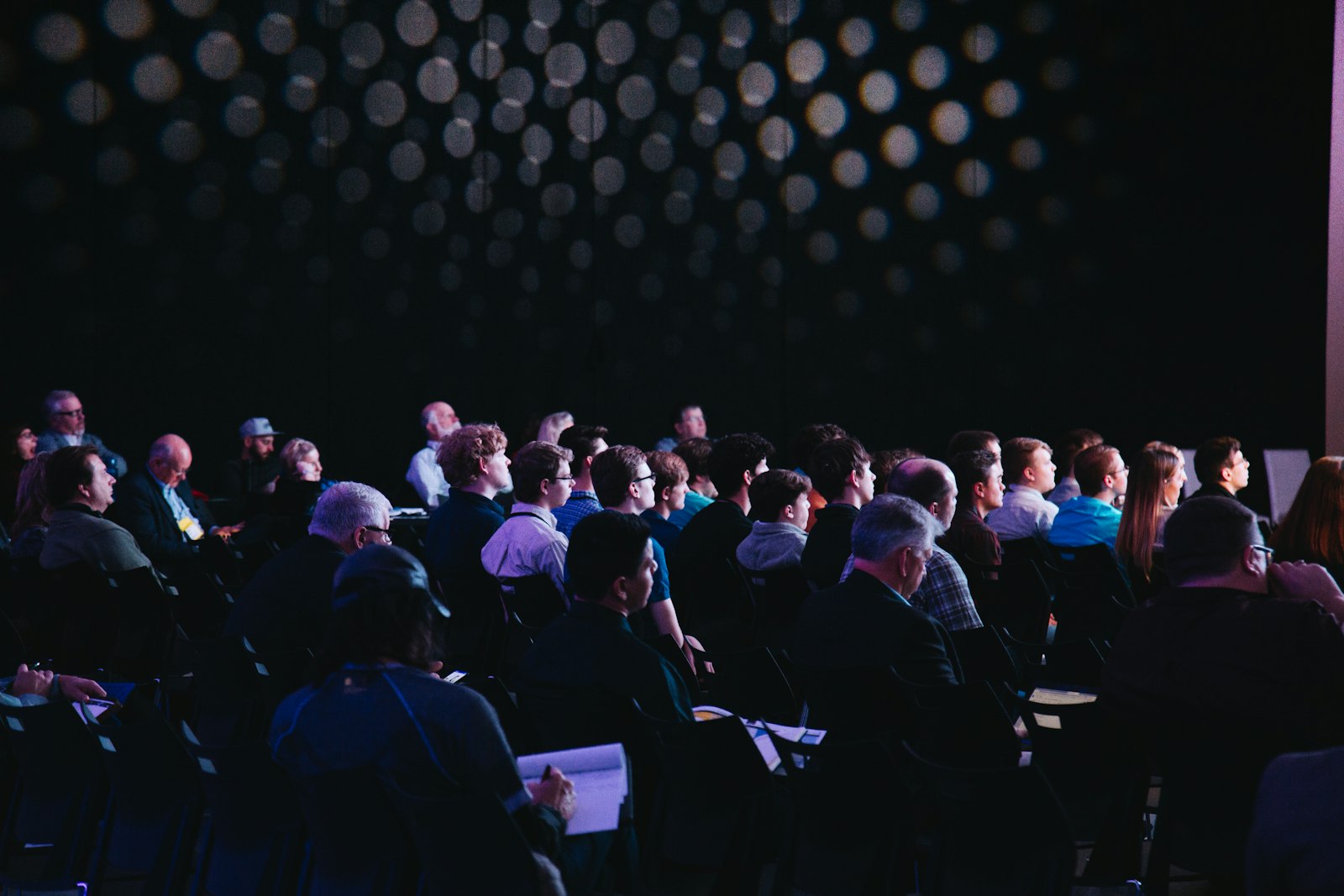
Why side events outperform the show floor
The show floor optimizes for quantity. You get foot traffic, badge scans, and brief conversations with people who may or may not be buyers. Side events optimize for depth. A 15-person dinner with curated guests produces longer conversations, actual relationship-building, and far better context for follow-up than 50 badge scans from strangers.
Vendelux (2026) puts it bluntly: for a typical B2B SaaS company, side events alongside major conferences are often the highest-per-dollar pipeline format in the entire event portfolio. A $10,000–$18,000 dinner with the right guest list frequently outperforms a $100,000+ booth sponsorship on cost-per-meeting and pipeline-per-dollar metrics.
One example from Vendelux (2026): a 22-person dinner the night before a major industry conference, with attendees pulled from the predicted-attendee list. 79% fill rate. Three of the five attendees who joined because of social proof on the guest list became pipeline opportunities within 60 days. Total dinner cost: roughly $18,000.
How to find the right side events
Not all side events are worth your time. The challenge is finding the ones where your ICP is actually in the room — not the generic happy hours where vendors mix with other vendors.
Look at sponsors and partners first. Side events are usually organized by companies with something to sell to the same buyers you're after. Follow the money: check who's sponsoring the main conference, then look for their hosted experiences. Warm introductions from mutual connections or partners often get you on the list.
Monitor social signals. LinkedIn and Twitter/X activity in the weeks before a major conference surface many side events that aren't listed anywhere official. Search by conference hashtag plus terms like "dinner," "roundtable," "breakfast," or "meet us at." Follow speakers and known practitioners in your space — they often host or attend curated gatherings and occasionally mention them publicly.
Use your network deliberately. Before each major conference, ask your best customers, partners, and prospects which dinners or events they're attending or hosting. A warm referral from a current customer is the most reliable way onto a curated guest list.
Run your own. VirtuWise (2026) recommends organizing your own side event when budget allows — a dinner or cocktail hour with 10 to 15 targeted prospects. The leverage is using the conference's natural ICP density as the reason to be in town, without relying on anyone else's invite list.
Building a side event invite list that converts
The invite list is the product. A poorly curated room defeats the whole purpose.
According to Luminik (2026), the best side event invite lists come from the same scored attendee graph as your booth and sales motion — not a separate exercise. Segment the list into: customers (for reference value), open opportunities (for deal advancement), target accounts (for new pipeline), and strategic partners.
Invite each segment with a reason that makes sense for them specifically. A customer joins because they want peer connection and want to be seen as a thought leader. A target account joins because of who else is on the guest list. An open opportunity joins because the host is worth a relationship — not because they're getting pitched.
Format matters more than headcount. Luminik (2026) maps the best formats to goals:
- Executive dinner (8–15 people): Best for senior buyers and strategic opportunities. Avoid slides and product pitches; a peer discussion topic drives better conversation.
- Breakfast roundtable: Good for buyers with packed evening schedules. Low energy if the audience isn't tightly matched.
- After-hours small group: Works well for existing relationships and open opportunities. Needs a capture discipline to produce next steps.
- Partner-hosted mixer: Good for ecosystem introductions. Weakens if ownership of follow-up is unclear.
Attending side events you didn't host
Side events you attend rather than host are just as valuable — but only if you treat them as sales motion, not social time.
Know who's in the room before you arrive. If you have the guest list, check it against your target accounts and prioritize the conversations that matter. Arrive early. Sit next to people on your list. Ask one or two specific questions from your pre-event research rather than leading with your pitch.
The capture discipline matters here too. Document conversation notes, next steps, and any commitments made before you leave the venue — voice memo, CRM mobile app, or a quick note in a shared doc. The context you lose between the dinner and Monday morning is the context that makes your follow-up feel like it came from a stranger.
Measuring side events as pipeline
Side events should be treated as part of the same event pipeline motion as the booth: source, enrich, sequence, capture, attribute. Luminik (2026) describes the six layers: selection, source, enrich, sequence, capture, attribute.
Tag side event contacts in your CRM the same way you tag booth contacts — with the event, the format, and the next step. Report sourced and influenced pipeline from each side event just as you would from a booth. After a few quarters, you'll have the data to compare cost-per-meeting and pipeline-per-dollar across every event format in your portfolio.
That's when the case for side events stops being qualitative and becomes a budget argument you can win.
Explore how Scryon's event tools help you identify the right conferences and attendees to build your side event list around — before your competitors book the restaurant.
Further reading
- B2B Event Marketing: The 2026 Pipeline Playbook: Portfolio framework comparing side events, field marketing dinners, and tier-1 sponsorships by per-dollar ROI (Vendelux, 2026).
- Event Dinners and Side Events That Book Meetings: Invite list segmentation, format selection, and capture process for hosted side events (Luminik, 2026).
- Third-Party Event Pipeline Playbook: Six-layer framework for integrating side events into a CRM-native pipeline motion (Luminik, 2026).
- Conference Lead Generation for B2B: Pre-event, on-site, and post-event strategy for maximizing pipeline from any conference (VirtuWise, 2026).