SaaS buyers do not sit still. They attend user conferences, industry summits, and operator gatherings to benchmark, discover new tools, and meet peers — which means the conference floor is one of the most target-rich environments a SaaS sales team can enter. The question is which events are worth the investment, and how to work them effectively once you're there.
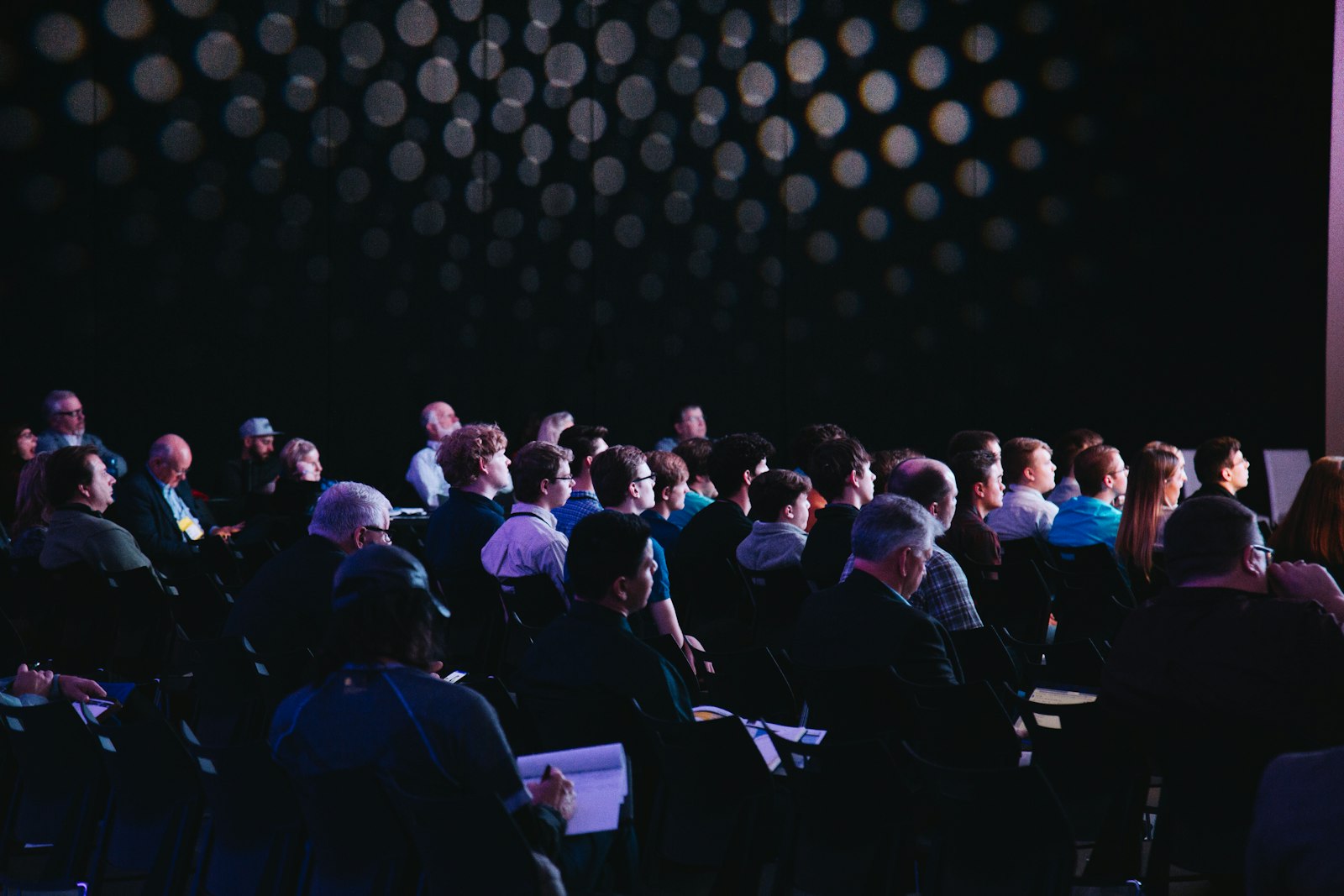
The case for investing is strengthening. According to b2bnotes.com's 2026 field marketing analysis, 78% of B2B organizers now rate in-person conferences as their single most impactful marketing channel — ahead of content, paid media, ABM, and email. On the buyer side, 71% of attendees say in-person B2B events are the most effective format for learning about new products. That alignment between where you want to be and where buyers are learning is rare.
The events that matter for SaaS sales
Not every conference attracts SaaS buyers. The ones below have earned a consistent audience of the personas — CROs, VPs of Sales, RevOps leaders, and growth-stage founders — that SaaS sales teams most want to reach.
SaaStr Annual
SaaStr Annual is the largest gathering of B2B SaaS founders and go-to-market leaders in the world. The 2026 edition (SaaStr AI Annual, May 12–14, San Mateo County Event Center) drew 10,000+ attendees including CROs, CMOs, CCOs, and VCs, with dedicated executive summits for each revenue function. The matchmaking app facilitated 3,000+ scheduled 1-on-1 meetings — which makes it unusually accessible for pre-booked meetings with senior buyers. The 2027 edition is expected in a similar May/September window in the San Francisco Bay Area.
Who attends: SaaS founders, CROs, VP Sales, CMOs, growth investors
Best for: New-logo prospecting, partnership development, competitive intelligence
Dreamforce
Dreamforce is the largest enterprise software event in the world. The 2026 edition runs September 15–17 at the Moscone Center in San Francisco, with 40,000+ attendees and more than 1,600 breakout sessions. The 2026 program centres on Salesforce's "agentic enterprise" vision — AI-driven autonomous workflows — which means the attendee base skews toward enterprise revenue and operations teams actively evaluating or expanding their software stacks. For any SaaS vendor whose ICP includes Salesforce shops, this is a first-tier event.
Who attends: Enterprise CRM users, sales ops, revenue leaders, IT buyers
Best for: Enterprise pipeline, Salesforce-adjacent use cases, existing account expansion
Gartner CSO & Sales Leader Conference
The Gartner CSO conference sits at the research end of the spectrum. Every session is grounded in Gartner data on quota design, AI's impact on the buyer journey, and sales talent. The 2026 edition ran in May in Las Vegas, with passes from around $3,500, and drew Chief Sales Officers and VP Sales from mid-market and enterprise companies. If your deal size justifies the ticket price and your ICP includes CROs making strategic vendor decisions, this is the most research-credible room you can be in.
Who attends: CSOs, VP Sales, CROs at mid-market and enterprise companies
Best for: Late-stage pipeline with executive buyers, competitive positioning
Forrester B2B Summit North America
Forrester B2B Summit is the analyst-research counterpart to Gartner's event. Recent editions have been held in Austin and draw B2B marketing, sales, and product leaders. Sessions are anchored in Forrester's buyer-journey and revenue research, making the audience — and the conversations — unusually well-informed. If your positioning relies on category definition or analyst credibility, this is where those conversations happen.
Who attends: B2B marketing leaders, demand gen directors, sales strategy teams
Best for: Category-level positioning, mid-funnel pipeline with data-driven buyers
SaaStock (Europe)
For SaaS teams targeting European accounts, SaaStock Europe in Dublin (typically October) is the closest regional equivalent to SaaStr. It draws SaaS founders and operators at the $1M–$50M ARR range, with strong representation from EMEA buyers. Pavilion also runs membership-driven summits across major US cities throughout the year, reaching senior RevOps and go-to-market leaders at a smaller scale.
Who attends: European SaaS founders, VP Sales, growth-stage operators
Best for: EMEA prospecting, partnership conversations, early-stage deal flow
Gainsight Pulse
Pulse is the conference for the customer success function. If your product has a meaningful CS use case — or if expansion and retention are a significant part of your revenue motion — Pulse reaches CCOs, VP CS, and CS operations leaders in one room. The 2027 edition is expected in the May/June window in Las Vegas.
Who attends: CCOs, VP Customer Success, CS operations leaders
Best for: Expansion pipeline, CS-led use cases, retention-focused products
How to pick the right ones
The list above covers the best-known events, but attending all of them is neither feasible nor strategic. The question is which events have a high concentration of your specific ICP.
Forrester's Q1 2026 State of B2B Events Survey — which gathered insights from 400+ event decision-makers globally — found that three priorities dominate for more than 90% of organisations: audience acquisition, maximising the value of event data, and demonstrating impact. Data-driven event selection sits at the centre of all three.
A practical four-filter test before committing to any event:
- ICP density — What percentage of the attendee list matches your ideal customer profile by industry, role, and company size?
- Pipeline overlap — How many open opportunities are already attending? Events that accelerate late-stage deals often outperform those focused purely on net-new.
- Competitive presence — Are your top two or three competitors on the floor? If yes, you need to be there. If not, it may be a less competitive room.
- Team capacity — Do you have enough headcount to run a proper pre-show outreach sequence, staff the booth, and execute post-show follow-up within 48 hours?
Scryon's /platform surfaces attendee data by event so you can run this analysis on real lists, not guesswork. Running target-account density scoring before you commit your budget takes the biggest variable out of the equation.
Preparing your team before the show
Research shows that pre-show outreach to confirmed attendees produces three to five times higher response rates than equivalent cold outreach — the shared context of attending the same event provides a natural opening. That ratio only holds if you move early enough.
A workable pre-show timeline:
- T-minus 6 weeks: Pull the attendee list; score it against your ICP; identify tier-1 accounts (active pipeline + fit) and tier-2 (cold, high-fit)
- T-minus 4 weeks: Launch outreach for tier-1; reference the event explicitly
- T-minus 2 weeks: Second touch on tier-1 non-responses; start tier-2 outreach
- T-minus 48 hours: Confirm all booked meetings; set rep itinerary by account priority and booth location
- Day of: Brief team on talking points per account; track every interaction in CRM before end of day
The /sales section of Scryon covers the full prospecting workflow, including templates calibrated to different event types and audience profiles.
Further reading
- SaaStr AI Annual 2026 — official site, attendee breakdown, and matchmaking details
- Forrester: Eight data-backed shifts defining B2B events in 2026 — survey findings from 400+ event decision-makers
- b2bnotes.com: How in-person events became B2B's highest-ROI channel — field marketing spend trends and benchmark data
- Vendelux: How to Measure Event Marketing ROI — attribution framework and ROEI benchmarks