Manufacturing trade shows aren't just big – they're a different category of big. IMTS 2026 runs September 14–19 at McCormick Place in Chicago and will pack more than 1,800 exhibiting companies into 1.2 million square feet of exhibit space, drawing roughly 86,000 to 90,000 registrants from more than 110 countries. That's several city blocks of CNC machines, robotics cells, and additive manufacturing lines – and a sales floor where the wrong walking route can cost you the one 20-minute conversation that actually matters. Place IMTS on the wider tech conferences 2026 calendar when you plan the year, and compare regional manufacturing floors like FABTECH Canada 2026 (June 9–11, Toronto) or SouthMACH 2027 (May 26–27, Christchurch) when metal fab and automation density matter more than Chicago scale. Adjacent industrial rooms worth scoring on the same route-planning logic include AHR Expo 2027 (January 25–27, Chicago) for HVACR, GlassBuild America 2026 (September 23–25, Las Vegas) for glass and fenestration, NSC Safety Congress & Expo 2026 (September 14–16, Indianapolis) for EHS buyers, MATS 2027 (March 18–20, Louisville) for heavy-duty trucking, Automechanika Birmingham 2027 (June 8–10) for the automotive aftermarket, Electric & Hybrid Vehicle Technology Expo North America 2026 (October 12–15, Detroit), and Hydrogen Technology Expo North America 2027 when fleet, EV, or hydrogen buyers are the ICP.
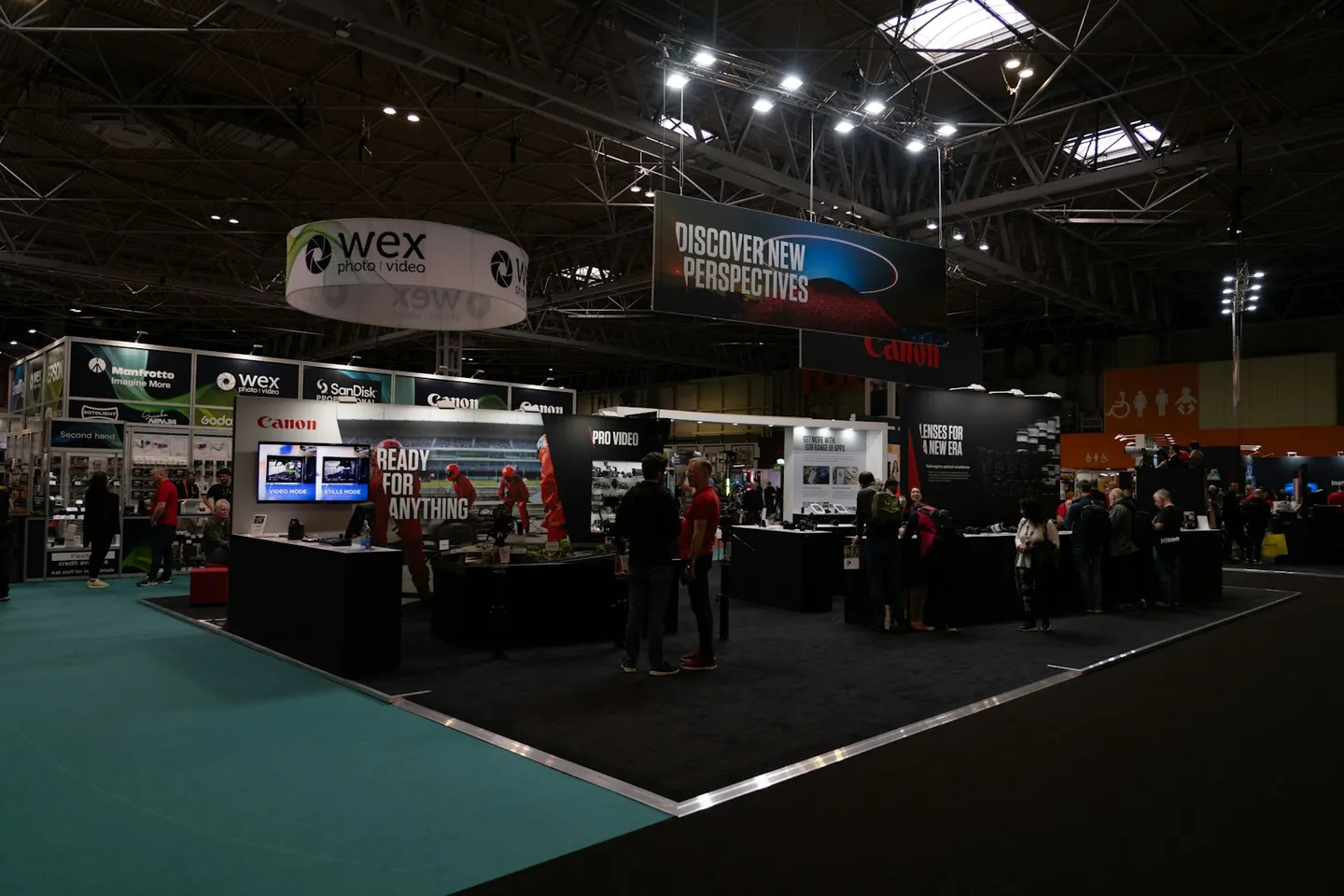
European industrial teams should also separate materials and environmental-technology audiences. Glasstec 2026 runs October 20–23 in Düsseldorf for glass production and processing; Pollutec Paris 2026 runs December 1–2 for environmental solutions; and IFAT Eurasia 2027 runs May 5–7 in Istanbul for water, waste, recycling, and pollution-control buyers. Their overlap is industrial, but their buyer roles and demonstrations are not interchangeable.
Scale is the whole game on the manufacturing floor
Most B2B verticals don't have a single event that concentrates this much of the industry in one hall. IMTS alone represents manufacturers whose collective U.S. and foreign capital investment tops $10.5 trillion, and AMT – the association that runs the show – points to a genuine demand tailwind behind the 2026 edition: manufacturing technology orders grew in 2025 for the first time since 2021, helped along by reinstated 100% bonus depreciation and a doubling of the Section 179 small-business expensing cap. Buyers are walking the floor with capital to spend, which is exactly why a floor-heavy show rewards sellers who show up with a route, not just a booth number written on a lanyard.
That density cuts both ways, though. A show this size means your highest-fit accounts might be staffing a booth in Hall A while your team is stuck across the building in Hall F for the morning. Without a plan, reps spend the day reacting to whatever's nearest instead of working the accounts most likely to close.
Manufacturing's sales cycle makes the floor plan a budget decision
Industrial trade shows aren't cheap, and the ROI math looks different than a typical SaaS event. CEIR's 2026 Marketing Spend Decision Report found that B2B exhibiting still absorbs 40.8% of the average exhibitor's marketing budget – the single largest channel – with exhibit space alone accounting for 40.5% of total show spend. For a manufacturer renting booth space at a show the size of IMTS, that's not a line item to treat casually.
The payoff is real but slower than most teams expect. Industrial fairs typically deliver qualified leads at $300 to $900 each once you fully load booth cost, travel, and staff time – and heavy-machinery launch shows can come in even lower, since a single signed order can recover the entire booth investment. The catch: only about 49% of exhibitors formally measure trade show ROI at all, which means roughly half the industry can't say with confidence whether a given show paid for itself. Among those who do measure it properly, 77% report a positive return – the gap isn't performance, it's whether anyone tracked which booth conversations turned into which deals.
That's the case for treating floor time as a budgeted, prioritized asset rather than a wander-and-see exercise. If a qualified conversation at IMTS costs several hundred dollars to generate, every hour a rep spends walking to the wrong hall is money left on the show floor.
Plan the route before you plan the pitch
For European industrial accounts, distinguish three specialist rooms: electronica 2026 (November 10–13, Munich) for electronics R&D and design engineers; VISION 2026 (October 6–8, Stuttgart) for machine-vision engineers, system integrators, and OEMs; and SPS Expo 2026 (November 24–26, Nuremberg) for automation engineers and production managers. These audiences warrant different demonstrations and qualification questions.
Defense suppliers can also review MSPO 2026, which ran September 8–11 in Kielce. Its procurement officers, military delegations, and systems integrators illustrate why a defense-focused buyer map differs from a general manufacturing list. The 2026 show has ended; treat it as a follow-up or retrospective planning reference.
The fix starts before the doors open. Pull the exhibitor and attendee list, score it against your ICP, and mark which target accounts are exhibiting in which hall – machine tools, automation and robotics, and additive manufacturing typically sit in different pavilions at a show like IMTS, sometimes a 10-minute walk apart. Group your targets into geographic clusters the same way you'd sequence sales territory, so you're never crossing the building twice for two unrelated meetings.
On the show days themselves, Scryon's Scrying Radar gives field teams a live view of where target accounts are on the floor, mapped against the plan you built beforehand. When a scheduled meeting runs long or a contact you needed isn't at their booth, you can immediately spot the next-best account in the same cluster instead of losing thirty minutes to a dead-end walk across a million-square-foot hall. For a floor this size, that real-time adjustment is often the difference between four solid conversations and eight.
Once the show wraps, the /sales playbook helps route what you captured – booth conversations, competitor sightings, new equipment interest – into follow-up sequences fast, before a lead that cost $300–$900 to generate goes cold waiting for a CRM entry that never gets typed up.
Manufacturing trade shows reward preparation more than most B2B events simply because of scale: more exhibitors, more hall space, and a buyer base that's currently deploying real capital. Show up with a mapped route and an account-scored target list, and that scale turns from a logistics problem into the biggest pipeline day of your quarter.
Ready to walk into the next show already knowing exactly which booths to hit and in what order? Try Scryon free to see how Scryon builds that route from your target account list before you ever set foot on the floor.
Further reading
- IMTS 2026 Reveals How Manufacturers Can Redefine Productivity and Transform Possibilities – AMT's official show scale figures and 2026 demand outlook
- Inside CEIR's 2026 Marketing Spend Decision Report – exhibitor budget allocation benchmarks
- Trade Show Statistics 2026: Data Every Exhibitor Needs – ROI measurement and lead cost benchmarks
- Trade Fair ROI for Manufacturers: Still Worth It (2026) – sector-specific cost-per-qualified-lead breakdown