Sponsorship decisions are often made for the wrong reasons: a competitor is sponsoring, the rep from the event organizer is persistent, or the show has a prestigious name. None of those are ROI. And yet companies sign six-figure sponsorship agreements with less financial modeling than they'd apply to a software purchase.
The good news: sponsorship ROI is measurable. According to Attendir (2026), only 37% of sponsors say they can effectively measure their ROI — not because it's impossible, but because most sponsors measure the wrong things or don't set up tracking before the event. Fix the setup, and you can run the math before you sign.
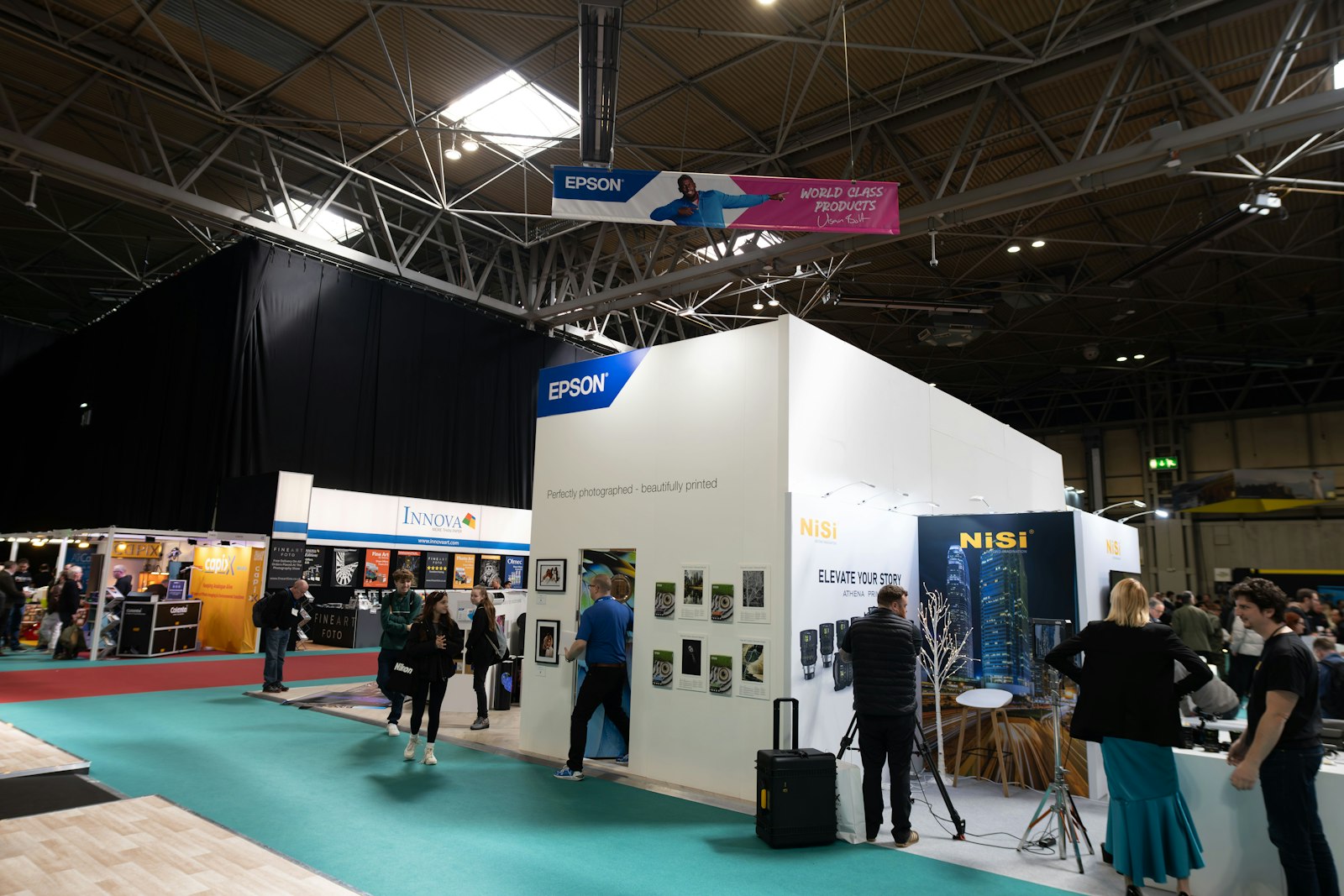
The pre-signing question: does your ICP attend this event?
The most important sponsorship question isn't "how many attendees?" It's "how many of the right attendees?" A 10,000-person conference where 3% of attendees fit your ICP is a worse investment than a 1,200-person niche conference where 40% do.
How to estimate audience overlap before committing:
Get the attendee or exhibitor list early. Request a sample attendee profile or exhibitor directory from the organizer before the show date. If they won't share one, that's a signal. Look for prior-year attendee lists on event websites, social media, or community resources.
Score against your ICP. Run the names or companies against your ICP criteria — industry, headcount, title, geography, tech stack. A sponsor list loaded with your current customers and named target accounts is a strong signal. A list dominated by vendors and press is not.
Check your competitors. If three of your direct competitors are sponsoring at the gold tier, that's evidence the event reaches relevant buyers. If none are present, either the audience doesn't fit — or you've found a gap.
Ask for historical data. Organizers should be able to share pipeline or meeting metrics from past sponsors, pipeline-to-cost benchmarks, or lead counts. If they can't, factor that uncertainty into your decision.
The ROI calculation
Once you've estimated audience overlap, the pre-commitment ROI model is straightforward. You need four numbers:
- Qualified ICP accounts at the event (estimated from your list analysis)
- Expected meeting rate (what % of ICP accounts can you realistically get meetings with? 20–40% with good pre-event outreach)
- Opportunity conversion rate (meetings-to-opportunities from your historical event data)
- Average deal size
Multiply through: 100 ICP accounts × 30% meeting rate = 30 meetings × 20% opportunity rate = 6 opportunities × $50K ADS = $300K pipeline potential.
Attendir (2026) provides the benchmark: for B2B lead-focused sponsorships, a 3:1 to 5:1 pipeline-to-cost ratio is considered strong. Remo (2026) extends the window: look for a 2x–5x return over six months.
If your pipeline estimate doesn't exceed the sponsorship cost by at least 3x, the math is telling you something. Either negotiate the sponsorship price down, find a lower-tier package, or walk away.
What to pay for (and what to skip)
Not all sponsorship elements deliver equal ROI. Attendir (2026) is direct: "Logo placement on lanyards and banners has the lowest measurable ROI of any sponsorship element." The highest-ROI elements create conversations, not impressions:
- Speaking slots: Position you as a thought leader, generate a warmer audience for follow-up
- Attendee list access: Enables pre-event outreach and post-event follow-up targeting
- Sponsored sessions or workshops: Deeper engagement than a banner
- Reception or dinner sponsorship: Intimate setting for relationship-building with named accounts
When evaluating a sponsorship package, strip out the branding-only elements and price what you're actually buying: access, conversations, and data. If a gold package is $80K and includes a speaking slot plus a dinner sponsorship, that's different from a $80K package that's mostly logo placement.
How to measure after the fact
For the sponsorship decision to improve over time, you need post-event attribution built into your CRM before you arrive — not retrospectively.
Bridged Events (2026) describes the shift: "Finance teams in 2026 are no longer trusting vanity engagement metrics. Sponsor ROI stories that rely on impressions and footfall are breaking down." The measurement frame that survives CFO scrutiny focuses on audience quality, buyer intent, and commercial progression — meetings booked, opportunities created, pipeline influenced.
Set up event-specific CRM campaigns before the show. Tag every contact sourced at the event. Record meeting outcomes, opportunity creation, and deals closed. Track 30/60/90-day pipeline windows. Build a one-page sponsorship impact report for each event that answers three questions: did it generate pipeline, did it move existing pipeline, and does it deserve renewal?
That last question — renewal — is where the discipline pays off. Organizers worth working with will show you the same data you're tracking internally. Scryon's /organizers tools help event teams demonstrate audience quality and sponsor ROI in a format that maps to how finance teams evaluate investment decisions.
The sponsorship decision should be the same kind of decision as any other marketing channel investment: hypothesis, execution, measurement, repeat.
Further reading
- How to Measure Event Sponsorship ROI (With Formulas and Benchmarks): Four-category ROI framework covering direct leads, brand value, relationships, and content, with formulas (Attendir, 2026).
- B2B Event Sponsorship ROI Guide: Metrics that survive finance scrutiny: qualified leads, pipeline influenced, cost per qualified opportunity (Remo, 2026).
- How to Prove Event Sponsorship ROI (and Protect Renewals): Why impression-based metrics are failing in 2026 and what outcome-driven measurement looks like (Bridged Events, 2026).