An exhibitor list is raw material. It tells you who will be on the floor — not who fits your ICP, not who is worth researching, and not which rows should be held until after the show. Most sales teams open the spreadsheet, scan a few familiar logos, and wait for the event to create momentum. By then, the best outreach window has already started to close.
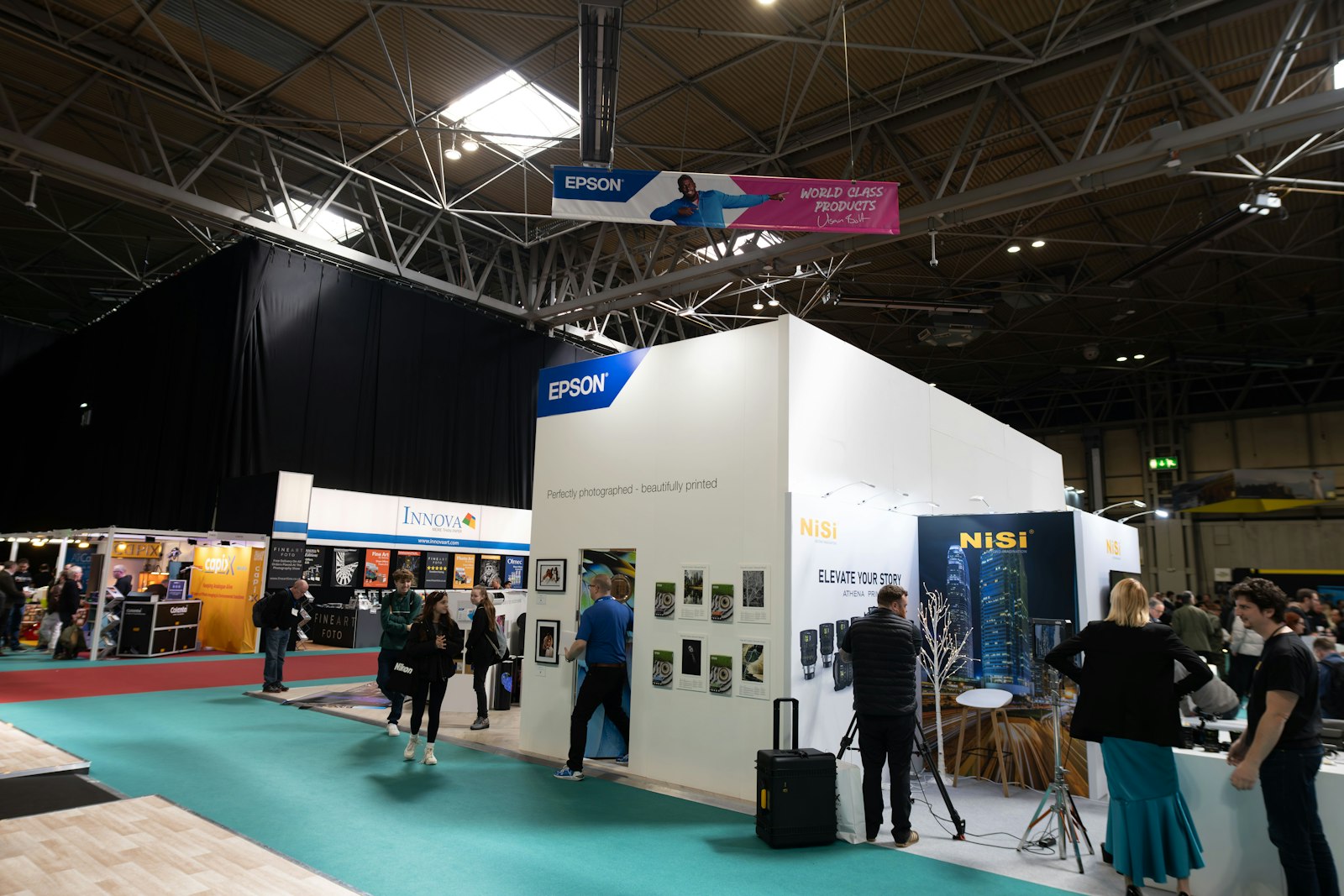
Exhibitor directories typically go live 4–8 weeks before a show, according to DataOrigin's 2025 guide to trade show lead generation. That window is the one that matters. Teams that use it to build a scored, prioritized target list consistently outperform teams that rely on booth traffic and badge scanning on the day. Here is the process.
Step 1: Clean before you enrich
The first pass on an exhibitor list is not research — it is cleanup.
Before anyone enriches contacts or drafts outreach, normalize the account list: remove duplicates, standardize company names, and strip out non-company rows (media sponsors, event service vendors, the organizer itself). The goal is a clean base for scoring, not a complete research project.
More importantly, classify every row by account type. A B2B exhibitor directory typically contains a mix of:
- Buyers — companies that match your ICP and could become customers
- Partners or resellers — channel accounts that deserve a different conversation
- Competitors — worth monitoring, not prospecting
- Noise — generic vendors with no strategic relevance
Each type needs a different next step. A distributor might deserve a partner conversation. An OEM might need more research before anyone sends a cold message. A generic service vendor belongs in a hold bucket. Skipping this classification step leads to wasted outreach capacity on rows that should have been removed in the first pass.
Step 2: Score against your ICP
Once the list is clean and classified, score each buyer account. Lensmor's exhibitor-list framework suggests five scoring fields that cut straight to what matters:
| Field | What it answers |
|---|---|
| ICP fit | Does this company match the type of account we close? |
| Event relevance | Is there a clear reason to engage before or during this show? |
| Product/market fit | Does their category or segment connect to our offer? |
| Contact path | Do we have a realistic route to the right person? |
| Evidence quality | Is the fit reason based on reviewable signals, not guesswork? |
The goal is not a perfect score — it is to stop treating every exhibitor as equal. After scoring, split the list into tiers:
- Tier A — Perfect ICP fit. Must-meet. Pre-schedule a meeting now.
- Tier B — Strong fit with one gap. High priority. Target for booth visit or outreach.
- Tier C — Possible fit, needs more research. Worth a conversation if time allows.
- Hold — Weak evidence or poor fit. Nurture later or skip entirely.
For a large show with 300+ exhibitors, doing this manually takes days. APG Exhibits' 2025 AI tools review found that teams using automated ICP scoring report 15–30% higher qualified leads compared to manual methods. Even a basic scoring framework in a spreadsheet beats sending the same message to every company in the directory.
Scryon's platform pulls exhibitor data and applies ICP scoring automatically, producing a ranked list your team can act on from the moment the directory goes live — not after two days of manual research.
Step 3: Add contact path and first angle
Scoring tells you who matters. Contact path tells you what to do next.
For each Tier A and Tier B account, add two short fields before anything goes to sales:
Contact path — the most realistic route to the right person. Examples: "Direct outreach to VP Sales via LinkedIn", "Channel conversation — verify distributor route first", "AE already has relationship; hand off directly."
First angle — the specific reason to reach out, not a generic event pitch. Examples: "They launched a new product line last quarter that overlaps directly with our use case", "Active hiring for a RevOps role — likely evaluating tooling." A company should not receive outreach just because it appears in the directory. It needs a clear, reviewable reason.
This step matters because bad pre-show outreach usually comes from vague routing. If sales receives a flat list with no context, reps rebuild the logic themselves — inconsistently, slowly, or not at all.
Step 4: Build a first-wave review queue
The final output before the show is not a 400-row spreadsheet. It is a reviewed first-wave queue of 10–30 priority accounts. Lensmor's analysis consistently points to this range as the sweet spot: small enough for sales to act on with genuine care, large enough to build real pre-show momentum.
A useful queue includes:
| Column | Purpose |
|---|---|
| Company | The account being reviewed |
| Segment | Buyer, partner, competitor, or other |
| Fit score | Tier A / B / C |
| Fit reason | Why this account deserves attention |
| Contact path | Route to the right person |
| First angle | Specific reason to reach out |
| Decision | Contact, verify, visit, nurture, or hold |
That last column — the decision — is the whole point. The goal is not to admire the list. The goal is to give every account a clear next step before anyone boards a plane.
From list to pipeline
An exhibitor list that has been cleaned, classified, scored, and reviewed becomes something meaningfully different: a pre-show pipeline motion. Sales knows who deserves time and why. Marketing knows which proof points to prepare. Follow-up after the show has context, not just badge scans and memory.
Cognition Solutions' exhibitor intelligence data puts pre-event intelligence at 3–5× the pipeline conversion rate of generic badge scan exports. The process above is the reason. When reps arrive knowing their top 15 accounts, why they matter, and what angle to use, the show floor stops being a cold-calling exercise and starts being a pipeline-closing sprint.
The same approach that works for attendee data works for exhibitor lists — it just starts with a different source signal. Scryon's sales prospecting tools let you apply this workflow to any event in your calendar, not just the shows where you have a booth.
Further reading
- What to Do With a Trade Show Exhibitor List Before the Event Starts — Lensmor's five-field scoring framework and first-wave queue approach
- The Complete Guide to B2B Trade Show Lead Generation — DataOrigin on the 4–8 week pre-show window and A/B/C/D scoring model
- Exhibitor List Enrichment: From Names to Decision Makers — Kuration on enriching company names into verified decision-maker contacts