Enterprise teams arrive at trade shows with ten reps, a 20x20 booth, and a six-figure event budget. If you're showing up with two people, a card table, and a list you built over the weekend, the instinct is to try to match them — bigger booth, more swag, more coverage. That instinct is wrong, and it's expensive.
Small teams don't win at events by copying enterprise playbooks at lower resolution. They win by being far more deliberate about which events to attend, which accounts to target, and where they spend the hours they have on the floor.
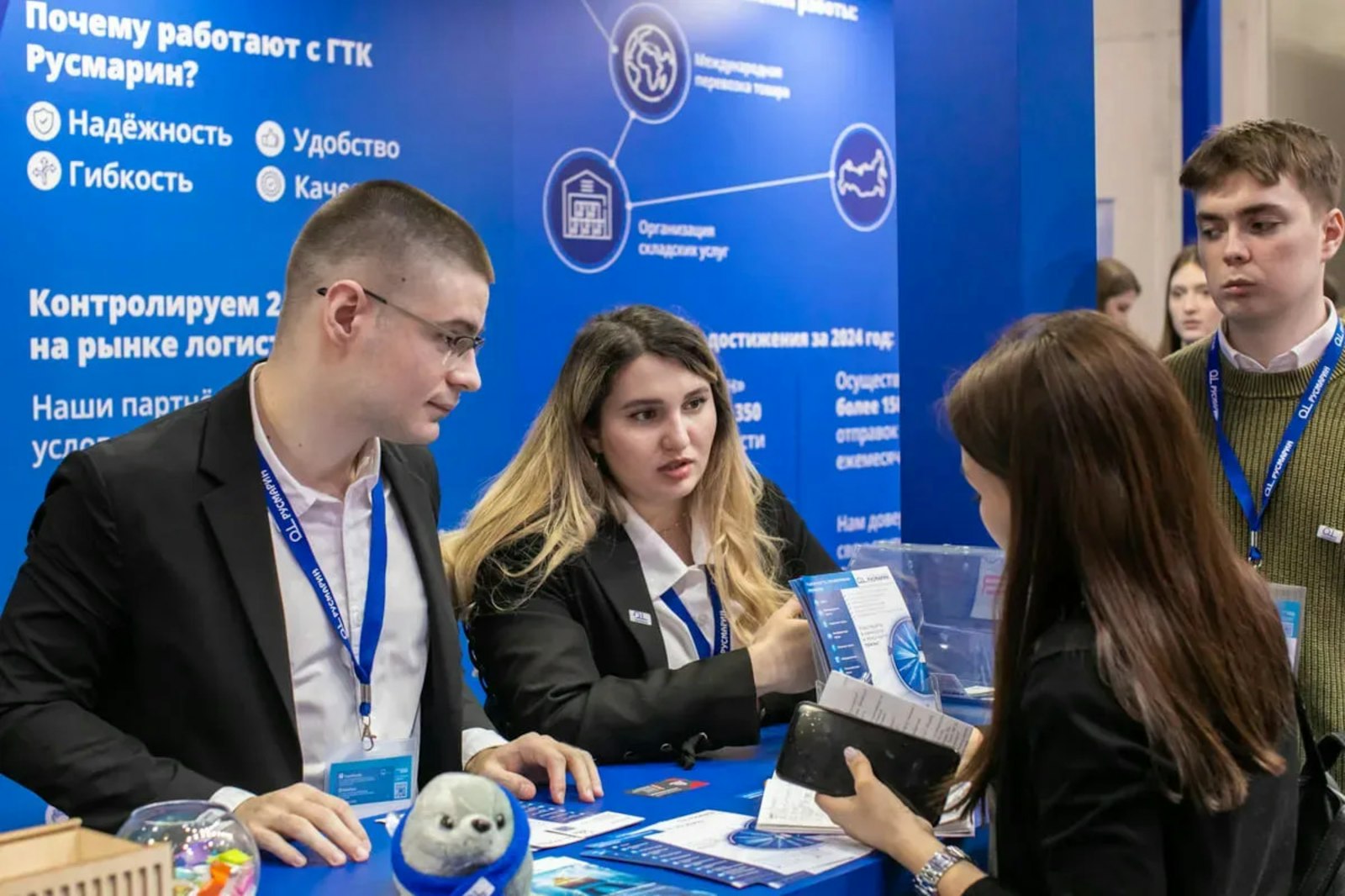
Choose fewer events, not more
The first discipline for a lean team is saying no. Most small teams attend too many events and under-invest in each one. A 2026 analysis from ShowReady recommends that even mid-size B2B firms limit participation to three to eight shows per year, concentrating most spend on the top two or three events with proven ROI and using one or two smaller shows to test new audiences.
For a startup or two-person sales team, the math is even tighter. Each event you commit to pulls preparation time, travel budget, and follow-up capacity. Attending six shows poorly will generate less pipeline than attending two shows well.
The filter to apply before committing is target-account density: how many companies attending this event match your ICP? A small regional conference with 400 attendees where 30% fit your ideal customer profile will outperform a flagship show with 10,000 attendees where 3% are in scope. Size is a vanity metric. Density is the one that matters. Scryon's event intelligence platform scores events by ICP overlap before you commit budget, so you're choosing based on evidence rather than reputation.
Do the research before you land
The biggest leverage point for a small team isn't the floor — it's the six weeks before the show. Teams that pre-book meetings with registered exhibitors and attendees consistently arrive with more pipeline than teams that rely on walk-ups.
A 2025 analysis from GTMStack, drawing on 40 B2B trade show programs, found that teams with structured pre-show systems generate roughly three times more qualified pipeline than teams with comparable budgets who don't have one. The system doesn't have to be complex: build a filtered list of target accounts attending the event, enrich it with verified contacts, and start outreach six to eight weeks out.
For a small team, manual list-building at this stage is the enemy. If researching exhibitor and attendee data takes two weeks, you've already lost the outreach window. ICP filtering and contact enrichment should happen in a single session, not a fortnight. Scryon's credit-based model is built for exactly this: buy intelligence credits for the specific events you've committed to, filter to high-fit accounts, and start outreach before your competitors have finished sorting their spreadsheet.
Work the floor with a tight target list, not a badge scanner
When you're on the floor with two people, treating every badge scan as a lead is a fast way to generate 200 contacts you'll never convert. The better approach: arrive with a ranked list of 30 to 50 target accounts, know exactly who you want to meet from each, and spend your floor time finding those people.
GTMStack's data on booth staffing is instructive even for teams without a formal booth. Structured 90-minute rotation shifts — where each person alternates between active engagement and off-floor time — produce 45% more qualified conversations per staffer per day than continuous coverage. Small teams burn out fast at full-day events. Protecting energy with deliberate breaks is an operational decision, not a comfort preference.
Keep demos to five to seven minutes. Longer conversations at the booth block throughput and drain the rep who's delivering them. If an account needs a deeper conversation, schedule a follow-on call before they leave the floor — don't try to cram a full discovery into a crowded booth.
Budget allocation is also worth examining honestly. Lodago's trade show budget research finds that 55 to 85% of pipeline from an event depends on pre-show outreach and post-event follow-up — activity that costs almost nothing compared to floor space and travel. For a small team, that's the right place to concentrate. A smaller booth or no booth at all, paired with aggressive pre-booking and fast follow-up, will usually outperform a larger physical presence with no targeting system behind it.
Follow up within 24 hours, not within a week
Post-event follow-up is where small teams most frequently lose ground they gained on the floor. The lead is warm the day after the show. By day five, you're a vague memory. By day ten, you're competing with a full inbox and a prospect who has moved on.
For each meeting or meaningful conversation at the show, send a personalised follow-up within 24 hours that references something specific from the conversation. For badge scans or light interactions, a 48-hour sequenced email that references the event context is sufficient. The critical failure mode is batch-and-blast: a single email to everyone you met, sent four days later, written in generic language. That undoes the relationship you built in person.
A tight CRM workflow before the event — with accounts pre-loaded, contact fields mapped, and follow-up tasks queued — makes rapid post-event execution possible. Without it, you're spending the three days after the show doing data entry instead of booking calls.
Events are a high-leverage channel for small sales teams, but only if the preparation is sharper than the competition's. That means choosing events by ICP density, building the target list before you land, running the floor with a ranked shortlist, and following up fast. The teams that do this with two people regularly outperform teams with five or six who are winging it.
Scryon's credit-based pricing is designed for teams that don't want an enterprise subscription to work a handful of shows per year. Buy intelligence for the events you're attending, filter to high-fit accounts, and start outreach before the badge scanner crews have finished sorting their downloads. See how it works or explore the platform to understand what a targeted event workflow looks like in practice.
Further reading
- Trade Show Booth Strategy That Feeds Your GTM Pipeline — GTMStack's analysis of 40 B2B trade show programs, with staffing rotation data and pipeline benchmarks
- Mastering Your Event Budget: How to Plan Cost-Effective Events — Lodago on where event budget actually drives pipeline, with recommended reallocation toward pre-show outreach
- Trade Show ROI Strategies: How to Maximize Return, Not Just Presence — ShowReady on goal-setting, show selection, and follow-up cadence for mid-size B2B teams
- Cost-Effective Startup Strategies for Industry Events — Startups & Giants on booth sizing, pre-show promotion, and staff training for early-stage companies