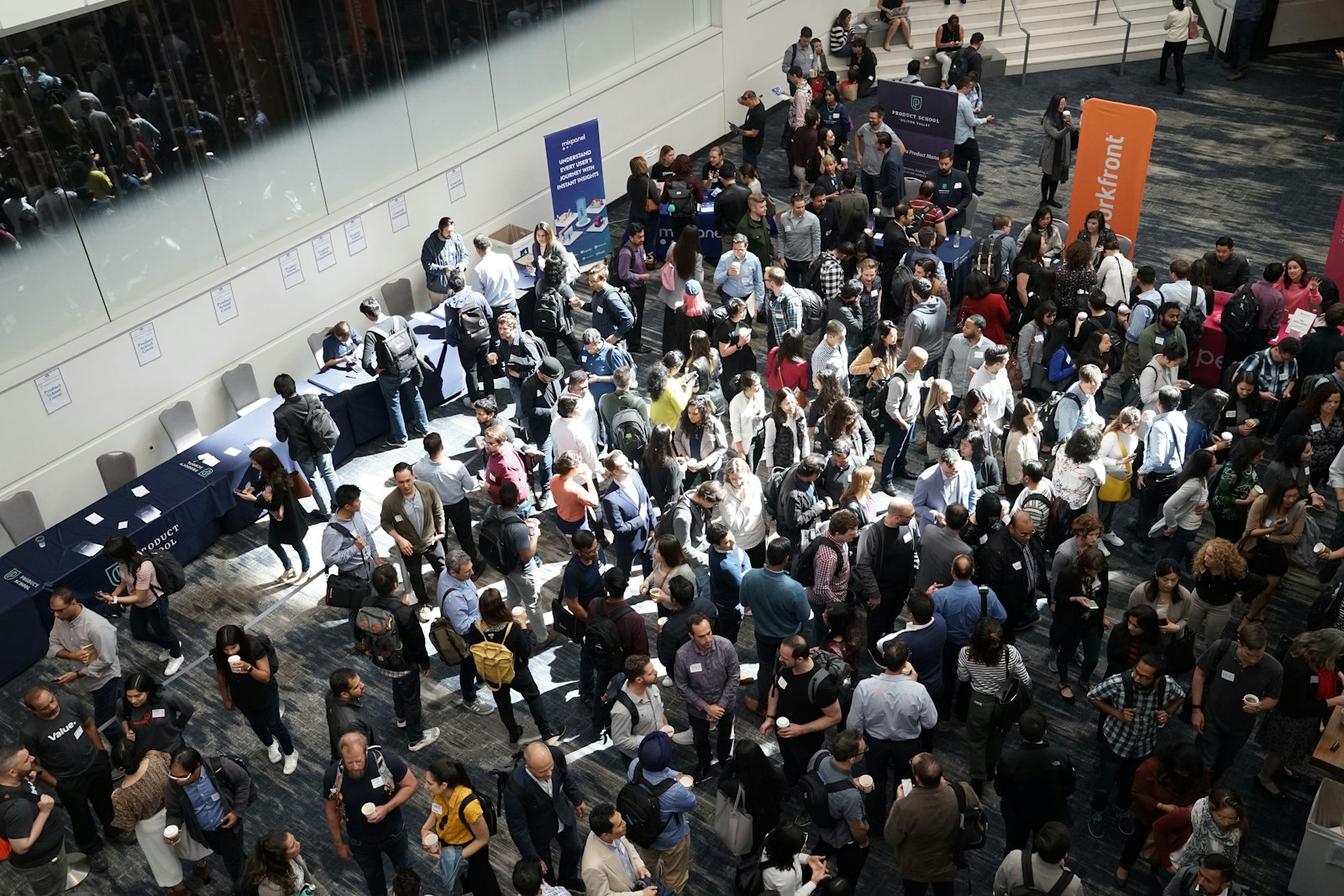
Most reps arrive at a trade show with a badge and a vague plan. They walk the floor reacting to what they see, spend 45 minutes chatting with a company that will never buy, and run out of time before visiting the three accounts they actually came for. The problem isn't effort — it's the absence of a structured itinerary built around revenue targets.
The data makes the stakes clear: 81% of trade show attendees have buying authority, according to CEIR research. That means the floor is dense with decision-makers. But that density only converts to pipeline if your rep knows exactly who to see, where to find them, and in what order.
Start with the target list, not the floor plan
The itinerary starts before you ever look at a floor map. Pull your prioritized account list — the accounts that match your ICP, show intent signals, and are attending the event. If you haven't built that list yet, that's step one. Scryon's sales tools help field teams build and score that list automatically from exhibitor and attendee data so you're not doing it manually the night before.
From that list, assign each account one of three tiers:
- Tier 1 — Pre-booked meetings with high-fit accounts. These get 20–30 minute blocks and are your anchor appointments for the day.
- Tier 2 — Warm targets you haven't booked yet but will pursue on the floor. Allocate 10–15 minutes and a clear entry line.
- Tier 3 — Accounts worth a quick pass for intelligence: who's staffing the booth, what they're promoting, whether there's an opening to reconnect later.
This tiering keeps commercial priorities in control of your schedule, rather than whatever looks interesting when you walk through the entrance.
Map your route around clusters, not alphabetical order
Once your tiers are set, overlay them onto the floor plan. Most major trade shows publish an interactive floor map weeks before the event. Print a simplified version or use a digital copy and mark your tier 1 and tier 2 targets.
Look for geographic clusters — groups of priority booths in the same hall or zone. Build your day around these clusters, not a list sorted by account name. Moving from one side of a convention center to the other between every meeting adds up to an hour of wasted time at a large show, and that's time that could be two additional tier 2 visits.
A practical structure for a full show day:
- Morning block (opening–mid-morning): Hit tier 1 appointments while energy is high and booths are staffed with senior people. Decision-makers often attend early and leave by mid-afternoon.
- Mid-day block: Work tier 2 targets in one hall cluster. Avoid the lunch rush — use it to debrief quickly on the morning, update notes, and flag any follow-ups.
- Afternoon block: Complete the second cluster, then do a fast pass on tier 3 accounts for competitive intelligence. Leave 30 minutes before close for any missed tier 1 contacts you spotted on the floor.
Build buffer time between clusters — 10–15 minutes is realistic at most convention centers. If your anchor meetings run long, you need slack in the schedule rather than a cascade of late arrivals.
Pre-book as much as possible
A 20-minute pre-booked meeting is worth three unplanned conversations. CEIR data shows that it takes only 1.3 follow-up calls to close a trade show lead compared to 4–5 calls for a cold lead. That efficiency stems from the context the in-person meeting creates — but only if the meeting has a clear agenda and isn't just a chance encounter at a crowded booth.
Reach out to tier 1 targets 2–3 weeks before the event. Keep the ask specific: "We'll both be at [Event] — can we grab 20 minutes on [Day] at [Time]? I want to show you how we help teams like yours prepare for shows like this." The "[Event]" relevance lifts reply rates significantly over generic cold outreach. If you need help with pre-event outreach at scale, see how Scryon's pre-show prospecting workflows can generate personalized outreach from your target list.
For tier 2 targets who haven't agreed to a meeting, note what you plan to say when you approach their booth. Have a single, sharp opening that references something specific about their business — a recent announcement, a product you noticed in the show directory, or a connection you have in common.
Use the Scrying Radar on the day
Even the best-laid itinerary meets reality. People cancel, booths run over, and new targets surface on the floor. The Scryon platform's Scrying Radar gives field reps a live view of target account locations mapped to the floor plan, so you can adapt your route without losing your commercial focus. When a tier 1 meeting falls through, you can immediately identify the next-best account in the same cluster and pivot without pulling up a spreadsheet.
This kind of real-time intelligence is the difference between a rep who walks the floor systematically and one who wanders productively by accident.
Log notes immediately — not at the hotel
This is where most itineraries fall apart in execution. A rep finishes a booth conversation, gets pulled into the next one, and by 6 PM the details of the morning are blurry. Context from a trade show meeting decays fast when you're moving through 15 interactions in a day.
Capture three things immediately after each conversation:
- What was said (key pain, interest level, next step agreed)
- Who you spoke to (name, title — check the badge if you missed it)
- One signal from the conversation (funding stage mentioned, project timeline, competitor they're evaluating)
A voice memo recorded while walking to the next booth is faster than typing and easier to log into your CRM that evening. Some reps use a simple text shorthand: pain / interest / next step in one sentence per account.
Hand off the itinerary to your manager before you go
A rep-built itinerary doubles as a coaching tool. Managers who review itineraries before the show can flag tier 1 accounts that need special prep, suggest entry lines for tier 2 targets, and set clear expectations on what a successful day looks like. After the show, the itinerary becomes the basis for the pipeline review: which accounts moved, which didn't, and what the next action is for each.
If you're managing a team attending multiple events, Scryon's platform tracks event attendance and account coverage across your entire rep roster — so you know which accounts got a visit and which fell through the cracks.
The floor at any major B2B event is full of buyers. The reps who convert that density into pipeline aren't the most charming — they're the most prepared. An itinerary built around tiered targets, geographic clusters, pre-booked meetings, and real-time intelligence turns a trade show from a brand exercise into a pipeline machine.
Book a discovery call to see how Scryon builds your target list and floor plan route before the event — so your reps walk in with a plan, not a prayer.
Further reading
- Trade Show Statistics 2026: Data Every Exhibitor Needs — CEIR benchmarks on buyer authority, lead cost, and close rates
- How to walk a B2B trade show floor — Practical tiering and cluster-routing methodology for show-floor planning
- Multi-Stop Route Optimization for B2B Sales — Badger Maps on visit sequencing and time-window management for field teams